

Välkommen till Kustbevakningen
Vi agerar på, under och över vattenytan och skyddar liv och miljö, nu och för framtiden.
Vill du veta mer om vår verksamhet?
Nyheter från Kustbevakningen
RSS-
Vår verksamhet
17 april 2024
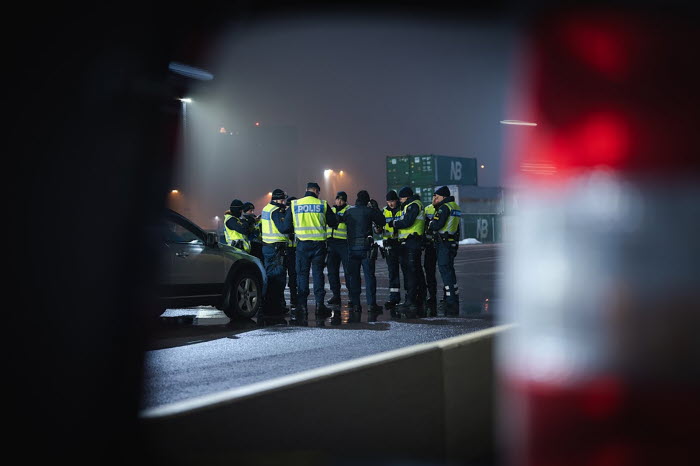
Stor insats mot utförsel av kontanter från Sverige
I förra veckan deltog Kustbevakningen i en större myndighetsgemensam insats, under polisens ledning, då kontanter och egendom togs i beslag till ett värde av cirka 20 miljoner kronor.
-
Vår verksamhet
16 april 2024
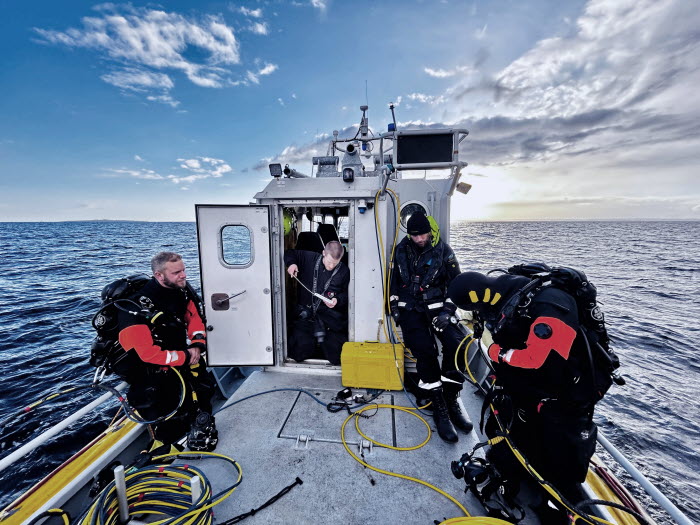
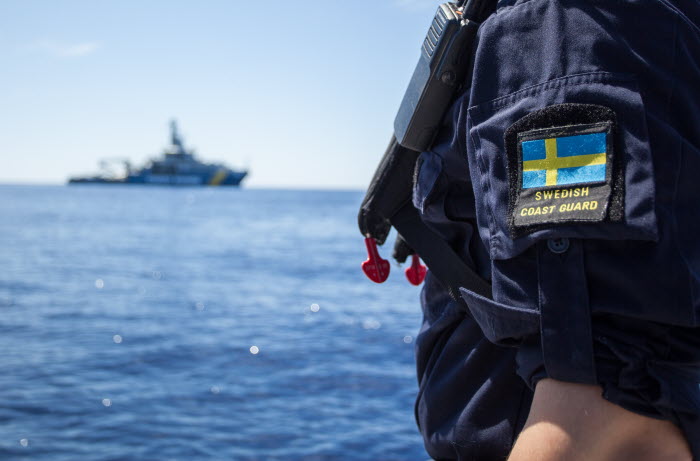
Resultatlösa dykningar efter olja i Pukaviksbukten
Dykare från Kustbevakningen har i samband med övning dykt på havsbotten i Pukaviksbukten för att om möjligt hitta eventuellt sjunken olja efter Marco Polo. Hittills har ingen olja hittats.
-
Vår verksamhet
10 april 2024
Satsning mot den organiserade brottsligheten
Den 9 april presenterade Polismyndigheten resultatet av det myndighetsgemensamma arbetet mot organiserad brottslighet under 2023.
-
Jobba hos oss | Vår verksamhet
27 mars 2024
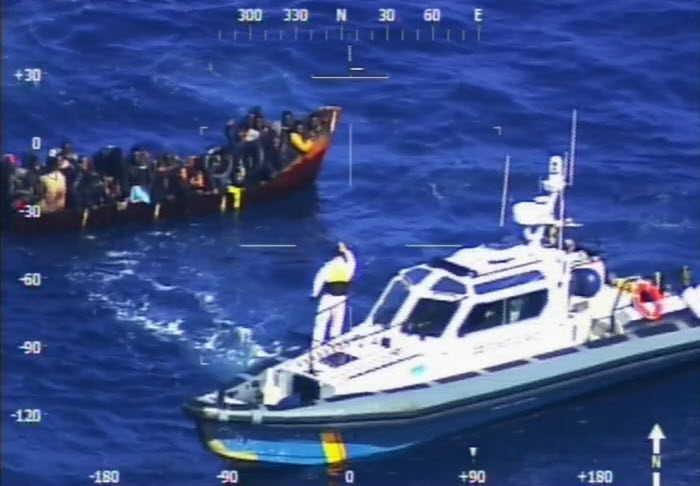
Krävande insatser trots färre migranter över Medelhavet
Under årets första månader har migrantströmmarna över centrala Medelhavet, där Kustbevakningen och polisen har besättningar under vinterhalvåret, minskat med 70 procent jämfört med i fjol.
-
Om oss
25 mars 2024
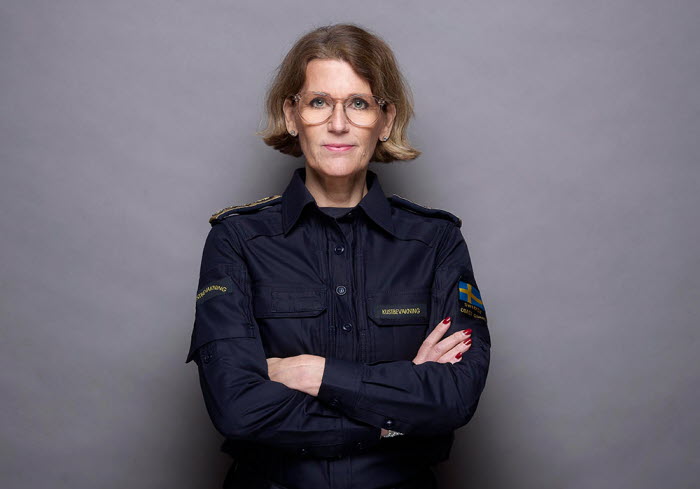
Satsningar behövs för att stärka förmågan inom totalförsvaret och den civila sjölägesbilden
Förutsättningarna för Kustbevakningens arbete förändras, framförallt med kraven på ett robust totalförsvar, men också för att hålla beredskapen och kunna agera i kris. Fortsatt behövs satsningar på me...
-
Vår verksamhet
21 mars 2024
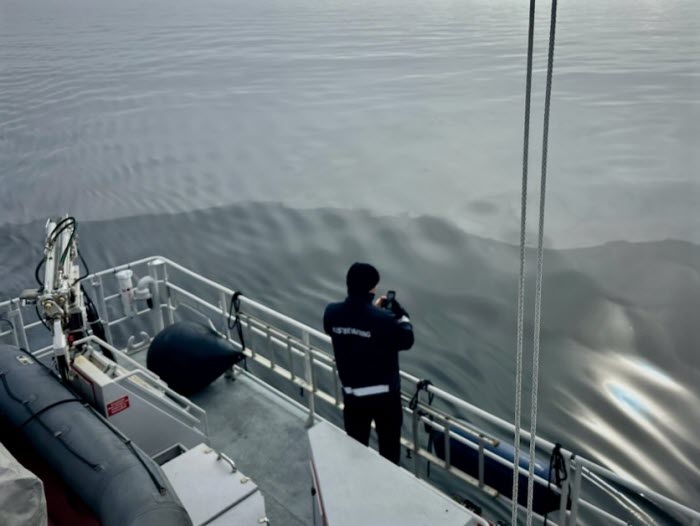
Fredag: Inga spår efter olja till sjöss i västra Blekinge
Kustbevakningen har karterat vattenområdet som på torsdagen drabbades av ett oljebälte från Stillerydshamnen i riktning mot Hanö. Det finns på fredagsförmiddagen inga synbara spår efter utsläppet. Kus...
-
Vår verksamhet
21 mars 2024
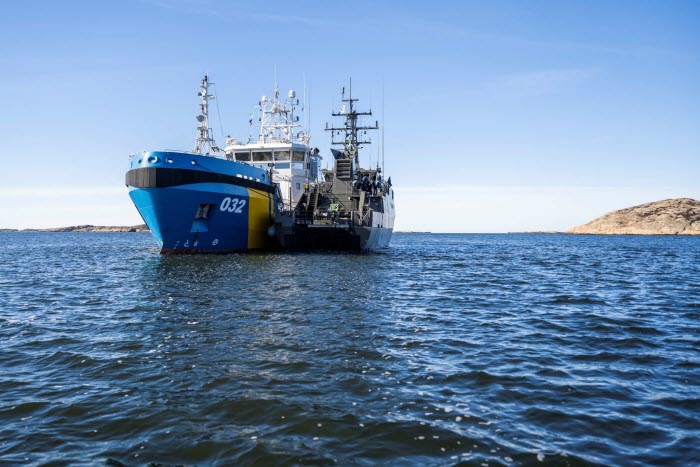
Kustbevakningen deltog i Försvarsmaktens Marinövning Vår 24 på västkusten
Övningen genomfördes 13–20 mars längs västkusten och i Västerhavet. Utifrån sin roll inom totalförsvaret deltog även Kustbevakningen i övningen med kombinationsfartyget KBV 032 från Lysekil. Syftet va...