
International exercise strengthens oil spill preparedness in the Baltic Sea
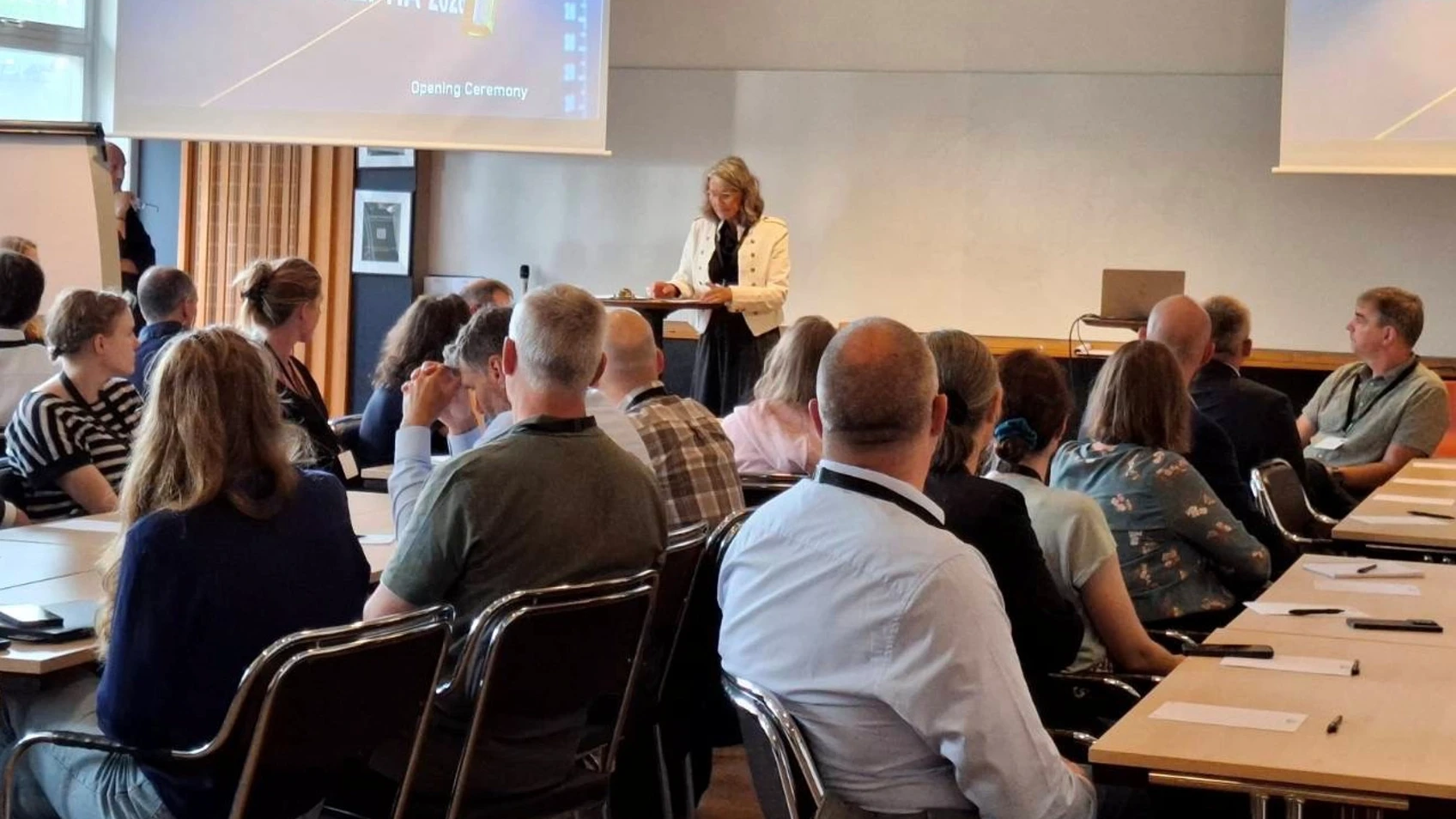
On 25–27 August 2026, Sweden hosted Helcom's annual Balex exercise in Sigtuna. Together, the participants represent a large part of the combined specialist expertise in oil spill response in the Baltic Sea region. The exercise was organised jointly by the Swedish Coast Guard, the Swedish Agency for Civil Defence (Myndigheten för civilt försvar) and the County Administrative Board of Stockholm (Länsstyrelsen i Stockholm).
Published: 3 Sep 2026 at 1:03 PM
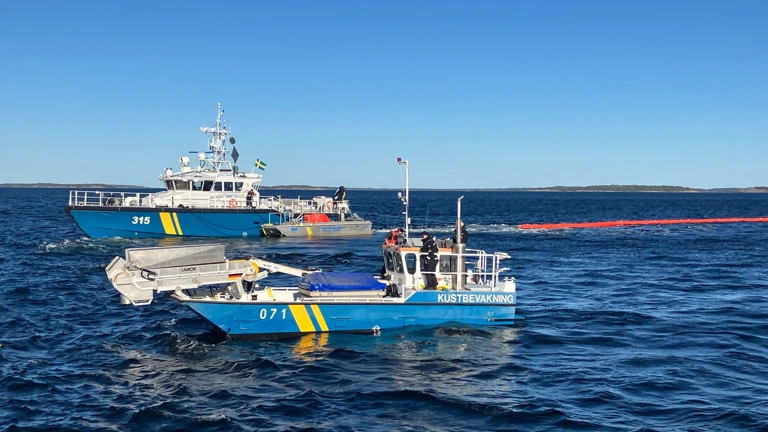
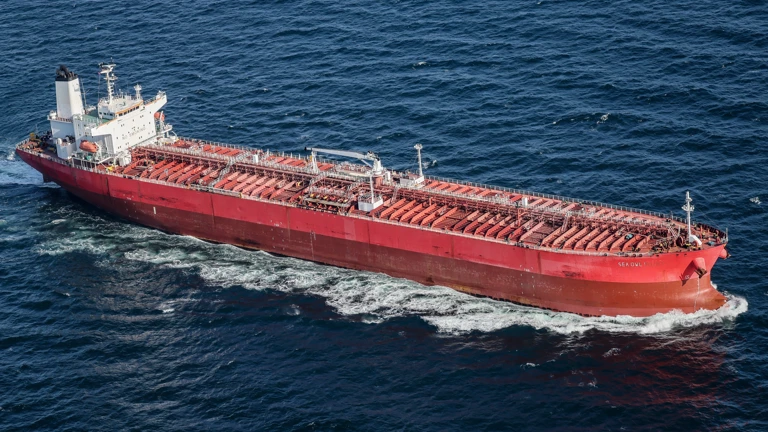
The exercise was based on a realistic worst-case scenario. A large tanker has run aground in the Stockholm archipelago and is causing a major oil spill. A spill like this would have devastating consequences for the environment and coastal communities. No state can deal with such an incident without extensive international support.
In 2027, the Balex series will be 50 years old. Sweden is hosting Balex two years in a row, because under the rotation order, 2026 should have been arranged by Russia. This year's exercise is therefore being used as a strategic development year and as a first step before Sweden's regular turn as host in 2027.
This year, the Swedish authorities responsible for the exercise chose to develop the exercise concept. They chose to hold a tabletop exercise, where key people gather around tables to go through a fictional scenario. This proved very instructive. This is also confirmed by the roughly fifty national and international participants who took part in the exercise.
"Being able to carry out environmental rescue exercises on the scale that Balex and the Helcom cooperation make possible is very important. It helps us develop and maintain our ability to deal with large-scale oil spills at sea. This is especially important given the current security situation, where the so-called shadow fleet increases the risk of potential oil spills in the Baltic Sea. We therefore look forward to continuing the Swedish hosting next year as well. We will develop another environmental rescue exercise that strengthens national and international cooperation and our shared ability to act if the worst were to happen," says Josephine Johansson of the Swedish Coast Guard, who was the evaluation leader for the exercise.
The countries around the Baltic Sea have exercised together for decades, and this is extremely important. In both 2026 and 2027, the focus is on further developing the exercise activities within the cooperation, and on practising what we need to get better at: cooperation between sea and land, international support and operations in shallow waters.
Major oil accidents are rare, but very complex. No plan will provide all the answers when the unexpected happens. To act decisively and proactively, you need knowledge before a real incident occurs. You must act quickly if you are to mobilise resources before the oil reaches the coast.