
Hybrid threats and the grey zone
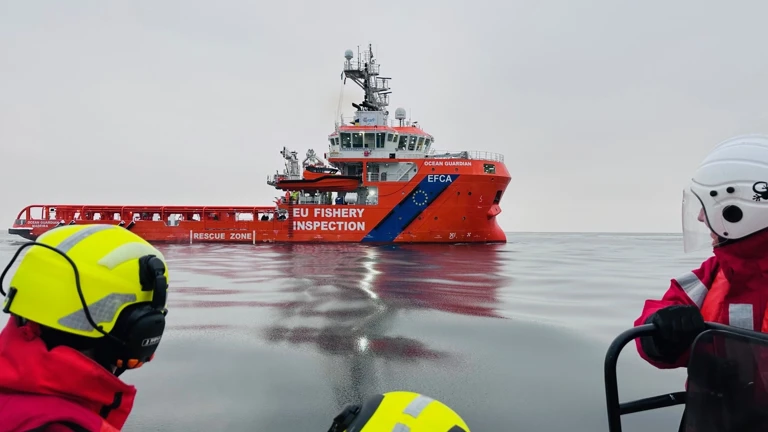
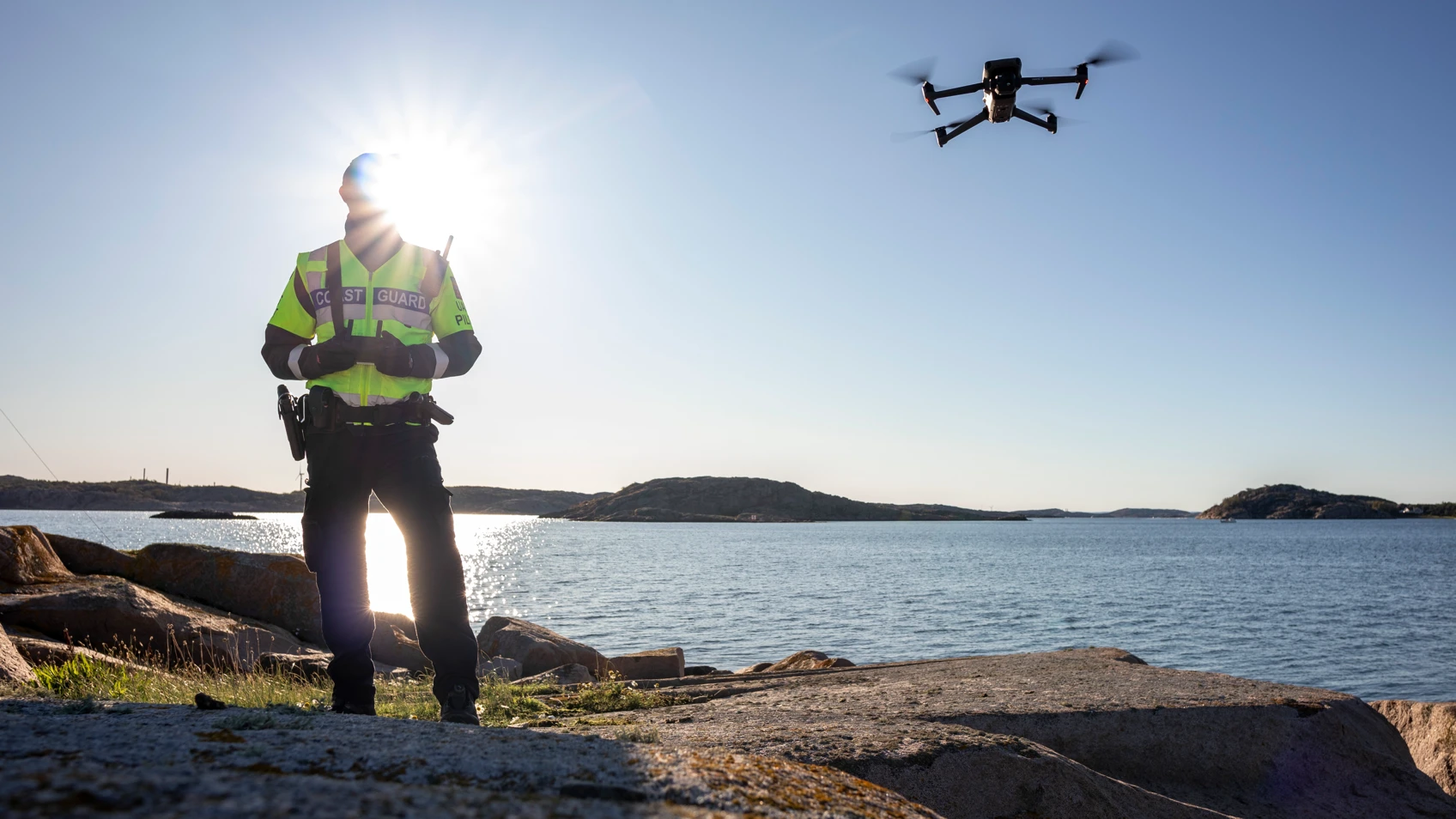
Threats to Sweden can take many forms, even between peace and war. Through disinformation, cyber attacks and activities at sea, actors can try to influence and destabilise society. The Swedish Coast Guard works to detect and counter these threats and to strengthen Sweden's preparedness, both on its own and in cooperation with other actors.
The grey zone
Threats to Sweden can occur at any level of the threat scale. In security policy, the term grey zone is used to describe a state between peace and war, where states or other actors try to influence a country's interests, freedom of action and capability without an armed attack taking place.
In a changed security situation, society's ability to detect, handle and withstand different types of threats needs to be strengthened. By developing our ability to carry out tasks in rescue services and maritime surveillance, on our own and together with others, the Swedish Coast Guard helps to strengthen Sweden's overall crisis preparedness and total defence. Our ability needs to work at every level of the threat scale – from peacetime and peacetime crises to a grey zone situation, heightened alert and, ultimately, war.
Hybrid threats in the world around us
The term "hybrid threat" refers to a broad range of harmful activities that are planned and carried out deliberately, with different purposes, and that can be denied. They can include methods and strategies that actors use to create uncertainty, destabilise or challenge a nation's sovereignty without directly using conventional military means.
For the Coast Guard, which has a central role in monitoring Sweden's seas and coasts, taking part in border controls and contributing to environmental protection and maritime safety, this threat picture brings a number of challenges.
Different types of hybrid threats
One example of a hybrid threat is provocations or destabilising activities. For example, a foreign power may try to challenge Sweden's sovereignty by sending unmanned craft, aircraft or other units close to the Swedish coast or into Swedish territorial waters to test reactions or create incidents. These activities can be used to gather information, gain strategic advantages or test Sweden's response capacity.
Actors use information influence, such as disinformation campaigns, to spread false or misleading information about Sweden or the Coast Guard's work. The aim is to undermine trust in the country or the agency, create confusion and uncertainty, or influence the views of the public and other states on the Coast Guard's capability and Sweden's security. These campaigns can be carried out by spreading disinformation and "fake news" on social media or other digital platforms.
Systems for surveillance, communication, information management and navigation are digital today. These systems can be targets of cyber attacks by actors who want to disrupt or sabotage operations, for example by overloading systems, gaining access to critical information or jamming navigation equipment. A successful cyber attack can make a vessel's equipment unusable or lead to data being manipulated or lost. Disruption to satellite-based navigation systems, known as GPS/GNSS disruptions, can affect safety at sea and also the Coast Guard's work. This can undermine the agency's ability to act effectively, both in normal conditions and in crisis situations. The Coast Guard is constantly working to improve its capabilities and to ensure a robust environment.