

The Swedish Coast Guard and NATO
Sweden's membership of NATO creates new conditions for Sweden's security and total defence work. The Swedish Coast Guard is part of Swedish total defence and, through its activities, contributes to Sweden's commitments within NATO. This includes civil preparedness, cooperation and strengthening the ability to protect important societal functions and Swedish critical infrastructure.
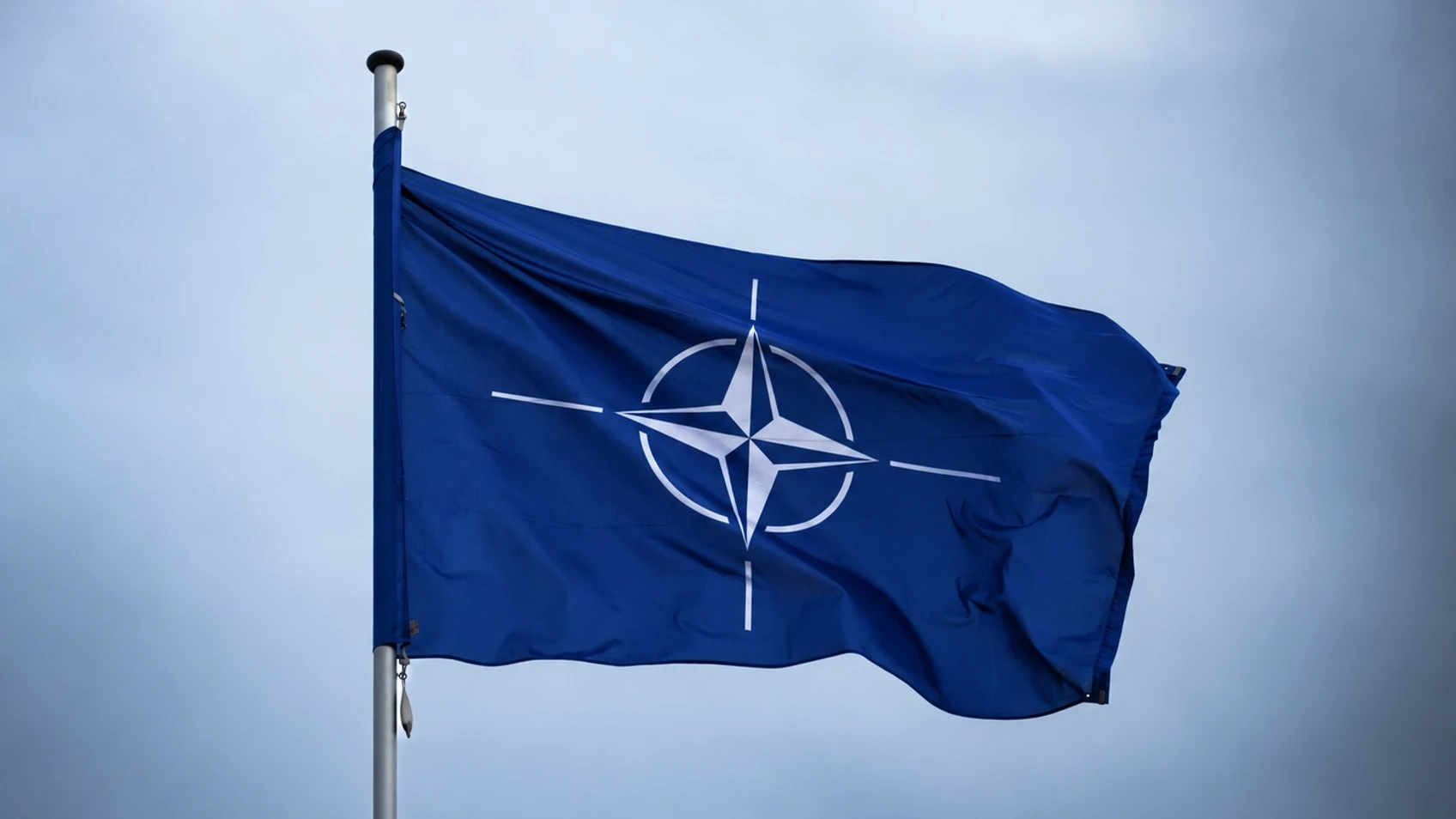
Sweden's membership of NATO strengthens Sweden's security and concerns the whole of society. The Swedish Coast Guard contributes to NATO's collective defence capability through its work on civil preparedness and total defence.
The Coast Guard's mission has not changed as a result of NATO membership. The Swedish Parliament and Government still decide the agency's mission. NATO cannot give Swedish authorities new missions.
Sweden's civil preparedness within NATO is part of Swedish total defence. It is about making sure that society can maintain important functions such as food and water, health care, transport, energy and communications. When the Coast Guard strengthens its role in total defence, the agency also contributes to Sweden's commitments within NATO.
The Coast Guard is the national operational contact point for NATO for the monitoring and protection of critical undersea infrastructure. The agency also coordinates the civil maritime situational picture in Sweden and keeps NATO informed on an ongoing basis, in close cooperation with other relevant authorities.
This is what NATO membership means for the Coast Guard
- The Coast Guard is required to ensure working liaison and communication systems with the Swedish Armed Forces, NATO and cooperating authorities. We are working on this and the systems are being developed. Cooperating authorities must provide some of this equipment to the Coast Guard, in line with its assignment.
- We handle NATO-classified documents to a large extent, partly through cooperation between agencies and close contact with the Swedish Armed Forces.
- Since Sweden became a member of NATO, the Coast Guard has been part of the defence planning done as a result of NATO membership. This plan is called Oplan Sweden. It is a tactical operations plan in which the Coast Guard has an annex. The annex clarifies the mission description that the Coast Guard must carry out during heightened preparedness.
- The Coast Guard continues to support other authorities, above all the Swedish Police Authority.
- Cooperation between the Coast Guard and the Swedish Armed Forces is fundamentally governed by the Ordinance concerning the utilisation of the Swedish Coast Guard within the Swedish Armed Forces. This means that the Coast Guard must, early in the threat scale, provide liaison personnel to the Navy's command.
- The Government can decide that large parts of the Coast Guard's units and personnel must be placed under the operational command of the Swedish Armed Forces in the event of heightened preparedness or, in the worst case, war.
- In the event of heightened preparedness, the Coast Guard will be led by the Swedish Armed Forces/the Navy and by CTG Baltic (Commander Task Force Baltic), which is NATO's regional headquarters responsible for all maritime operations in the Baltic Sea.
Nordic cooperation
Nordic cooperation is important for the security of Sweden and NATO. Sweden is part of a connected geographical area in the north-eastern part of NATO, close to the Arctic and Russia. Exercises, coordination and communication with our neighbouring countries strengthen our shared capability.
Host nation support
Host nation support is the civil or military support that a host nation gives to the military forces of other countries or organisations in peace, crises and conflicts (war).
This support is a major task for total defence, because it requires resources from both the Swedish Armed Forces and civil society.
The county administrative boards have ultimate responsibility for civil defence in their respective counties. The regions are responsible for host nation support related to health care, for both civil and military resources.
Finally, it should be mentioned that many socially important activities, such as infrastructure and logistics, are at local level, that is, in each municipality with local geographical area responsibility.
NATO has seven baseline requirements for host nation support. They are called NATO Baseline Requirements (NBR). They concern:
- Ensuring political decision-making and central command functions
- Handling large movements of people
- Handling mass casualty events
- Resilient energy supply
- Resilient food and drinking water supply systems
- Resilient civil communication systems
- Resilient transport systems
In addition, municipalities must plan to take care of military resources with various forms of supply.
Facts about NATO
- The North Atlantic Treaty, better known as NATO (North Atlantic Treaty Organization), was founded in 1949.
- NATO is an intergovernmental organisation with both a political and a military part. Its purpose is to preserve peace in the North Atlantic area by deterring armed attacks against the members of the alliance.
- If a member state is attacked, NATO must collectively come to its defence within the North Atlantic area.
- NATO's core tasks are deterrence and collective defence, civil and military crisis prevention and crisis management, and security cooperation.
- The organisation has 32 member countries, including Sweden.
- Collective defence is still the foundation of NATO.
- Sweden has cooperated with NATO since the 1990s.