
Joint EU fisheries inspections in the Skagerrak, Kattegat and the Baltic Sea
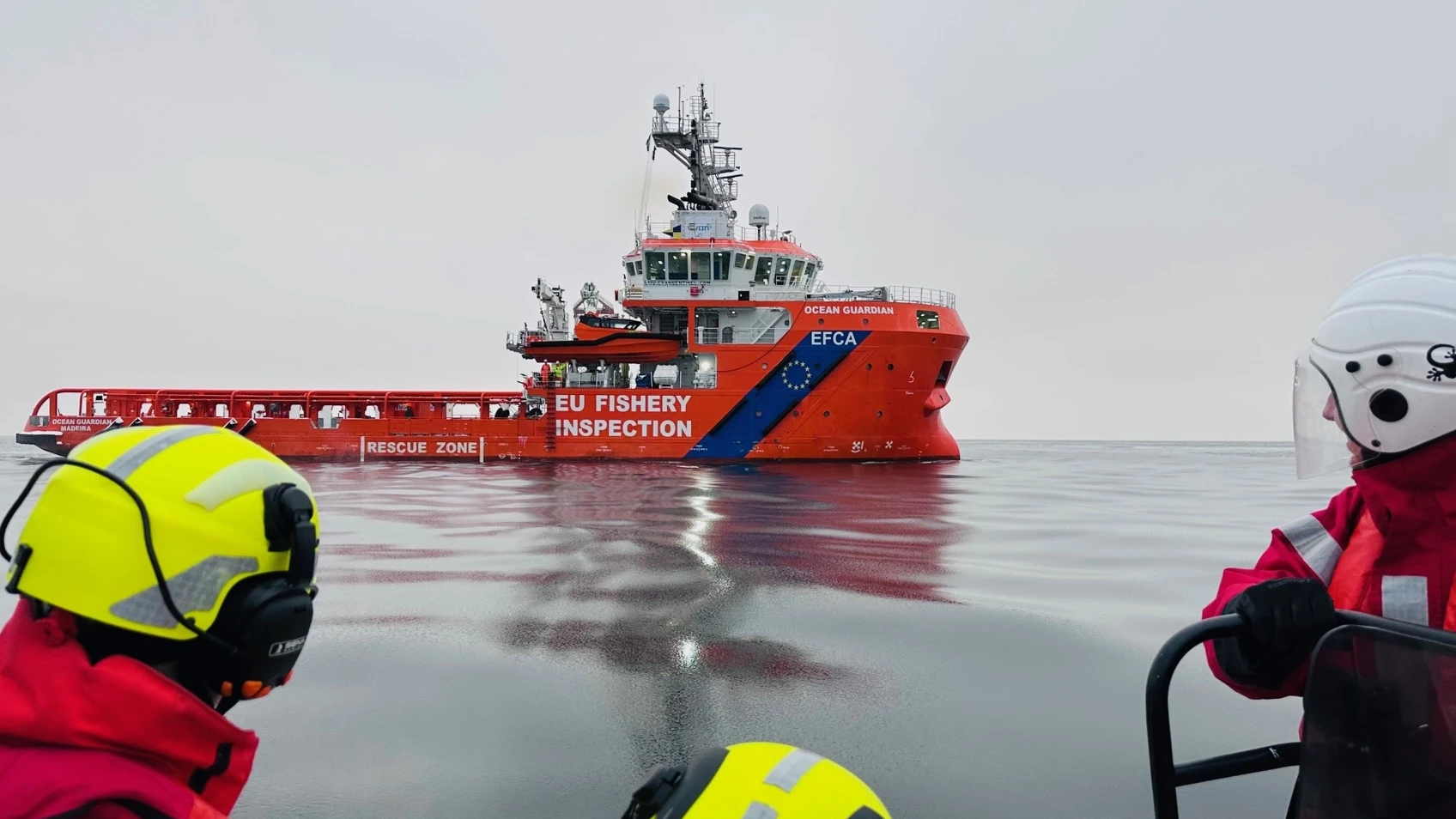
This spring, the Coast Guard's fisheries inspectors have taken part in international fisheries checks on board the EFCA vessel Ocean Guardian.
Published: 17 Apr 2026 at 11:18 AM
To protect sustainable fish and shellfish stocks in the EU, all member states are covered by the same rules. The countries also take part in joint activities to protect the fish in each other's waters.
The Swedish Coast Guard works with the European Fisheries Control Agency (EFCA). This applies above all to control operations within so-called Joint Deployment Plans (JDP). This spring, the Coast Guard has had inspectors on board the EFCA vessel Ocean Guardian, which has been operating in the Skagerrak and Kattegat (Västerhavet) and in the Baltic Sea.
– Because the rules are the same, we have carried out the same type of checks that we do in our regular work at home in Sweden. We inspect the composition of the catch, the gear used, licences and other documents, among other things, says coast guard officer Niklas.
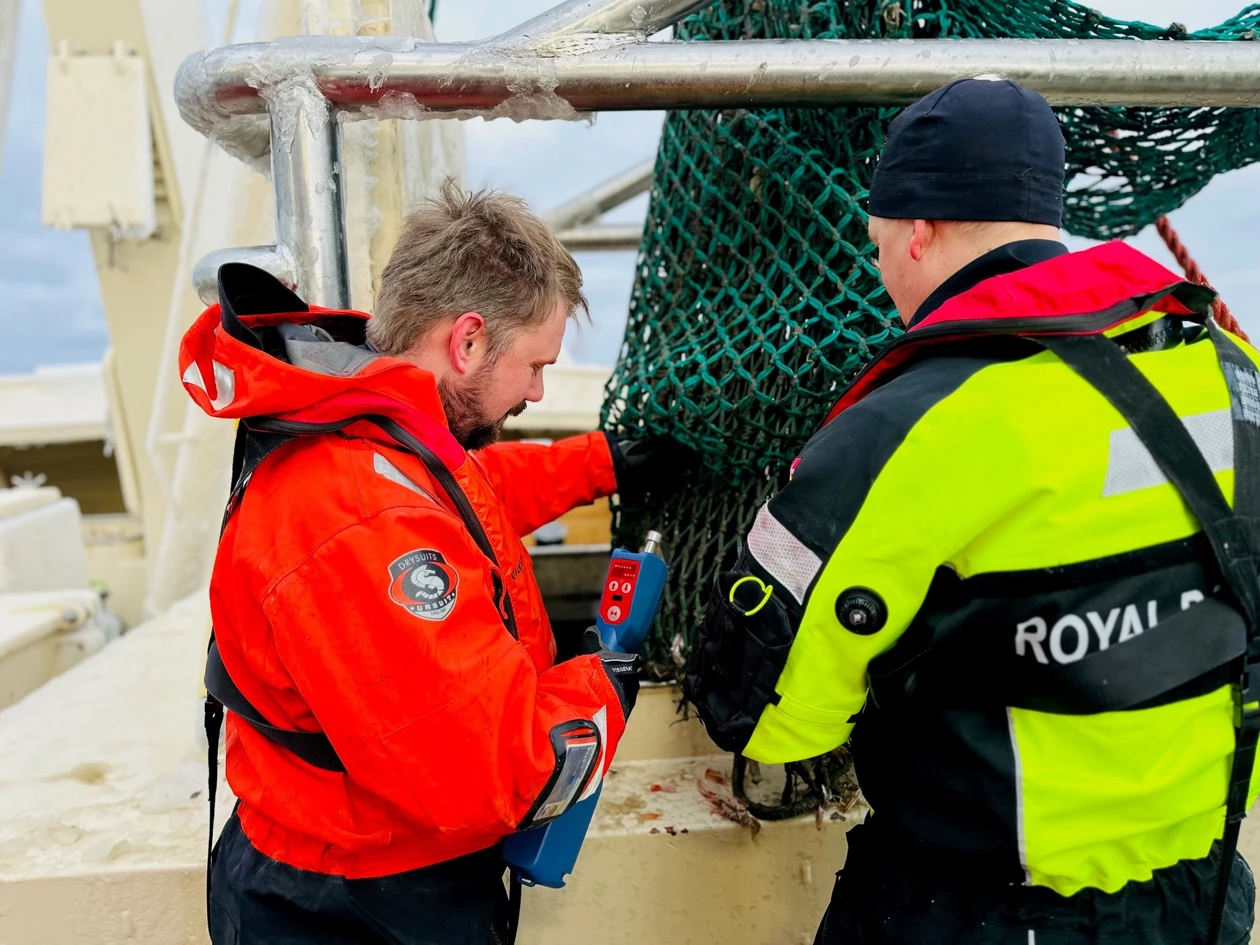
Although the rules and the inspection procedure are the same, there are several differences compared with working on board a Swedish Coast Guard vessel.
– The atmosphere on board is very international, with people from many different countries. The operating crew stays the same, while the inspectors are replaced as the vessel moves along the EU coastline, says coast guard officer Nina.
A check takes between about three and six hours. The inspection takes place when the trawl is brought up. This often means waiting several hours to be allowed on board. In other words, a check can take a whole working day. On top of that, the weather must be favourable to allow safe boarding.
– This is one of the main reasons why we carry out fewer checks on commercial fishing than on recreational fishing. Checking a trawler is a completely different operation from checking a recreational fisher, says Niklas.
While the Swedish coast guard officers Niklas and Nina were on board Ocean Guardian, three inspections were carried out on board fishing vessels when the trawl with the catch was brought up. In one trawl, the proportion of juveniles was so high that the Danish Fisheries Agency decided to close the area concerned to further fishing, a so-called real-time closure (RTC), in order to protect the stock of young fish.