
Vessel under sanctions boarded – suspected of oil discharge in the Baltic Sea
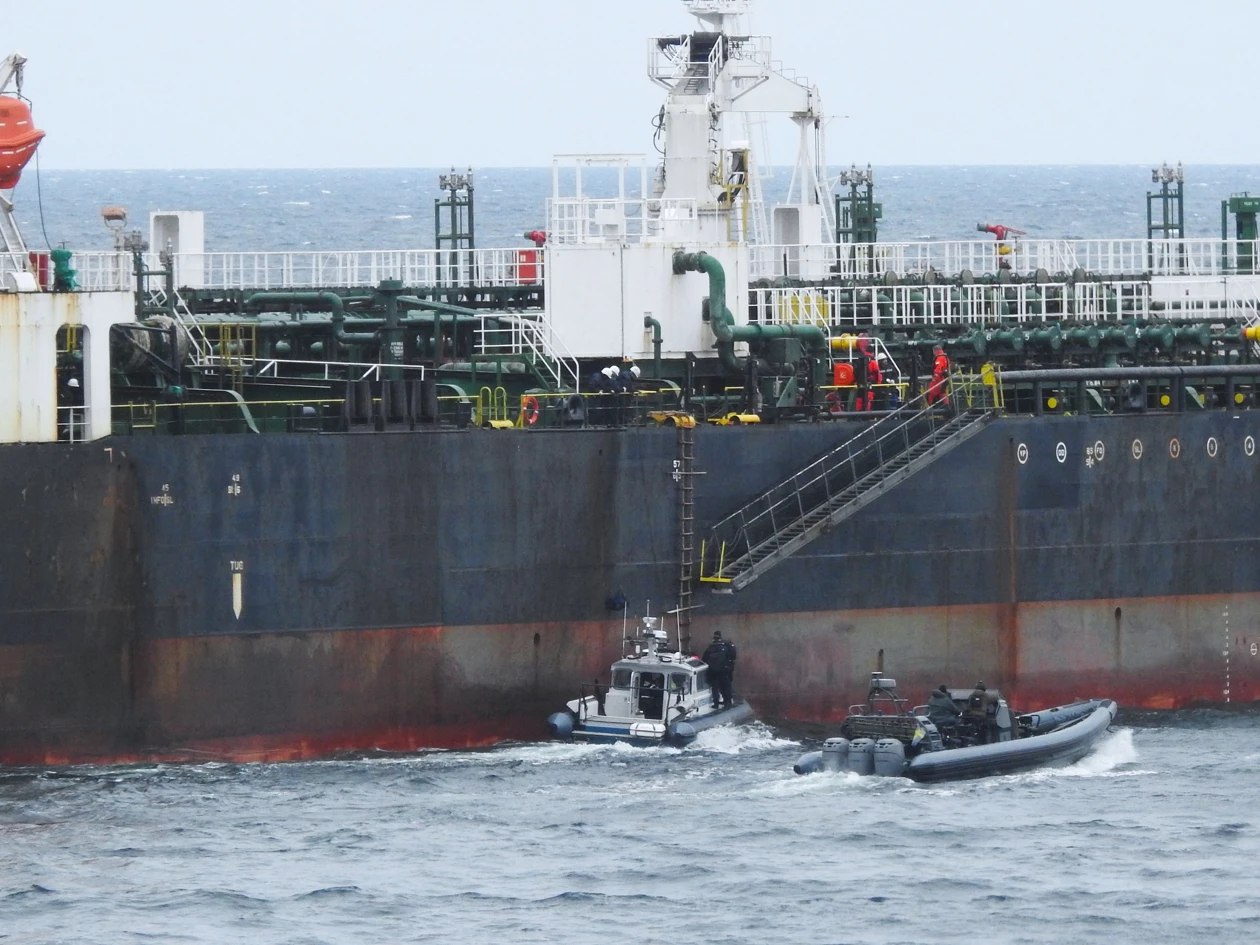
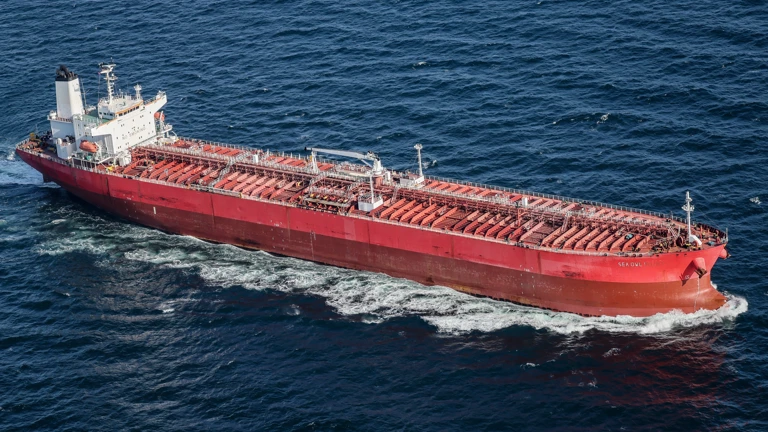
Early on Friday, the Swedish Coast Guard stopped the tanker Flora 1, a vessel suspected of causing an oil spill in the Baltic Sea, east of Gotland. The Swedish Prosecution Authority is leading a preliminary investigation into a suspected environmental crime. When the spill was detected, it was found that the vessel is on the EU sanctions list, and that there are several unclear circumstances surrounding the vessel, including its flag status.
Published: 3 Apr 2026 at 9:17 AM
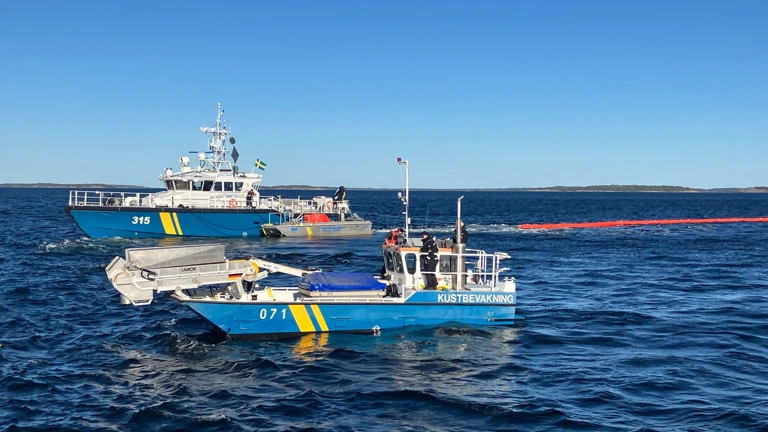
In operation Klöver, the Swedish Coast Guard has taken the vessel to an anchorage off Ystad. The operation was carried out in cooperation with the Swedish Police Authority.
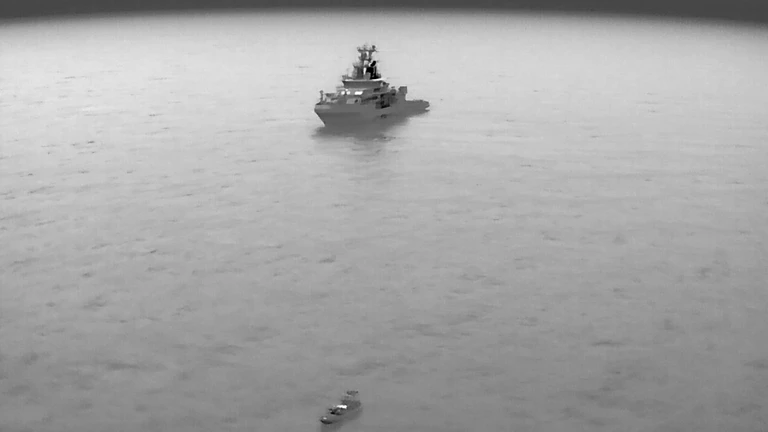
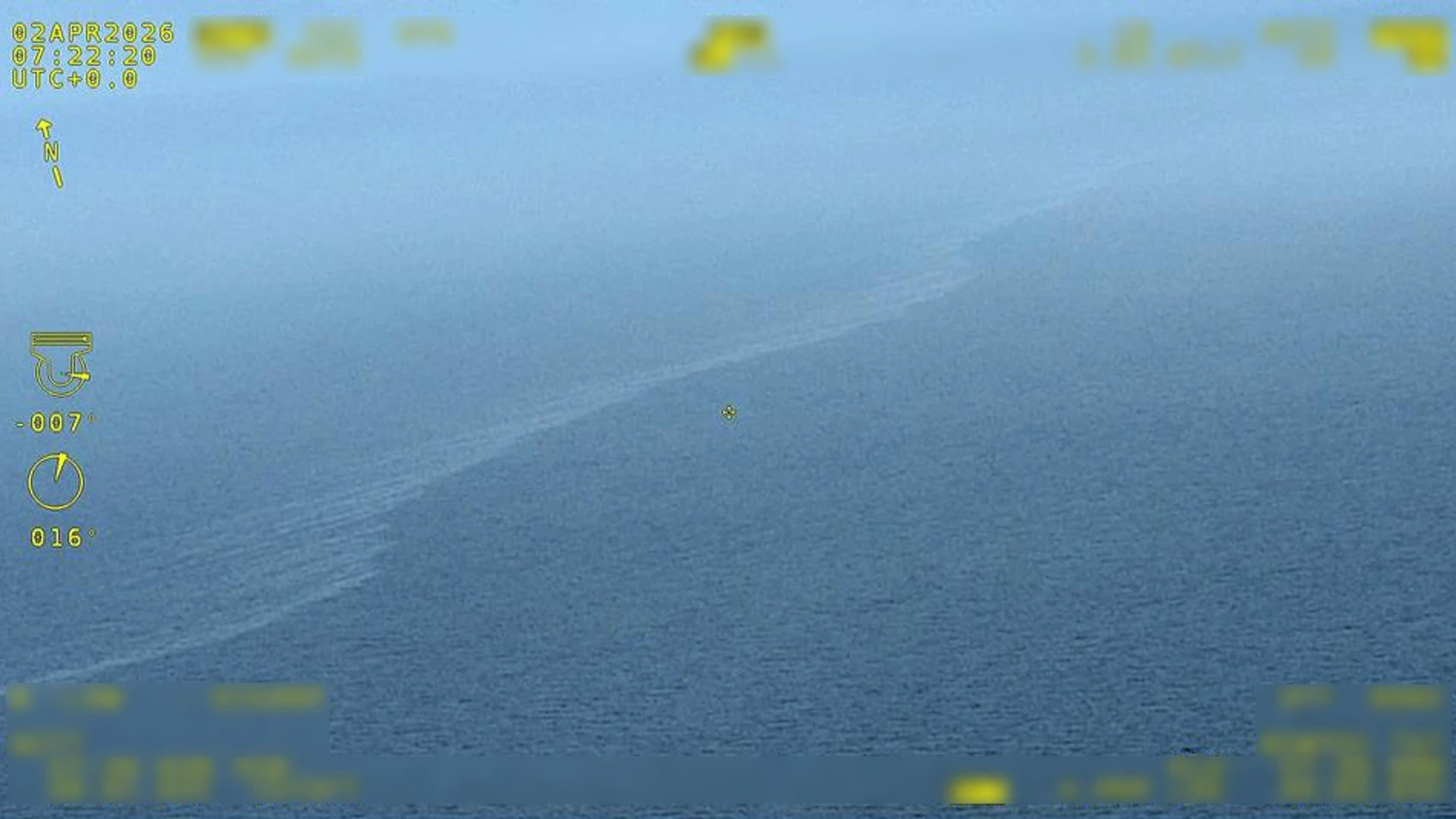
Early on Thursday, the Coast Guard aircraft detected a discharge of mineral oil east of Gotland. At the time, the spill was more than 12 kilometres long. The tanker Flora 1 was identified early on as of interest to the investigation.
− We act when we detect discharges. This is a result of our reinforced maritime surveillance, which we are carrying out because of the worsened security situation in the Baltic Sea region, says Daniel Stenling, Deputy Head of Operations at the Coast Guard.
− When there is a suspect vessel, we step in and investigate crimes. Shipping must know that we maintain order at sea and act to improve maritime safety, says Daniel Stenling.
The vessel concerned was on its way from a port in the Gulf of Finland with an unclear destination. Its flag status is also unclear, and it is on the EU sanctions list.
− It is undoubtedly of interest in this context that the vessel is surrounded by various uncertainties in addition to being suspected of an oil spill. Whether this means further suspicions of crime is for the investigation to show, says Daniel Stenling.
A prosecutor leads the preliminary investigation, which is being conducted by the Coast Guard in close cooperation with the Swedish Police Authority. Investigative measures are now being taken on board in accordance with the prosecutor's directions.
The vessel is loaded with oil. There are 24 people in the crew on board.
The Baltic Sea is an extremely sensitive ecosystem, and there is zero tolerance for discharges. Taking action against vessels that pollute is part of the Coast Guard's everyday work.
- The crime was committed in the Swedish exclusive economic zone, outside Swedish territory. Under international agreements, the coastal state there has the authority to take action against and investigate, for example, environmental crimes and fisheries crimes.
- In cases like this, the Coast Guard may order the vessel concerned to go to Swedish territorial waters to anchor, which makes the investigation easier.
- As far as we know, this is the first time we can trace a discharge to a vessel that is subject to sanctions, and which is therefore suspected of an environmental crime.
- It has not been possible to combat the spill, and it is now part of the sea.