
Cooperation between authorities strengthens protection of underwater cultural heritage
On 1–2 June, marine archaeologists from the Vrak – Museum of Wrecks will carry out extensive surveys of three wrecks of cultural and historical value in the Ångermanälven river and at Ulvön in Västernorrland. The work is being carried out on behalf of the County Administrative Board of Västernorrland (Länsstyrelsen Västernorrland), in close cooperation with the Swedish Coast Guard, the Swedish Police Authority and Nordic Maritime Group.
Published: 1 Jun 2026 at 9:41 AM
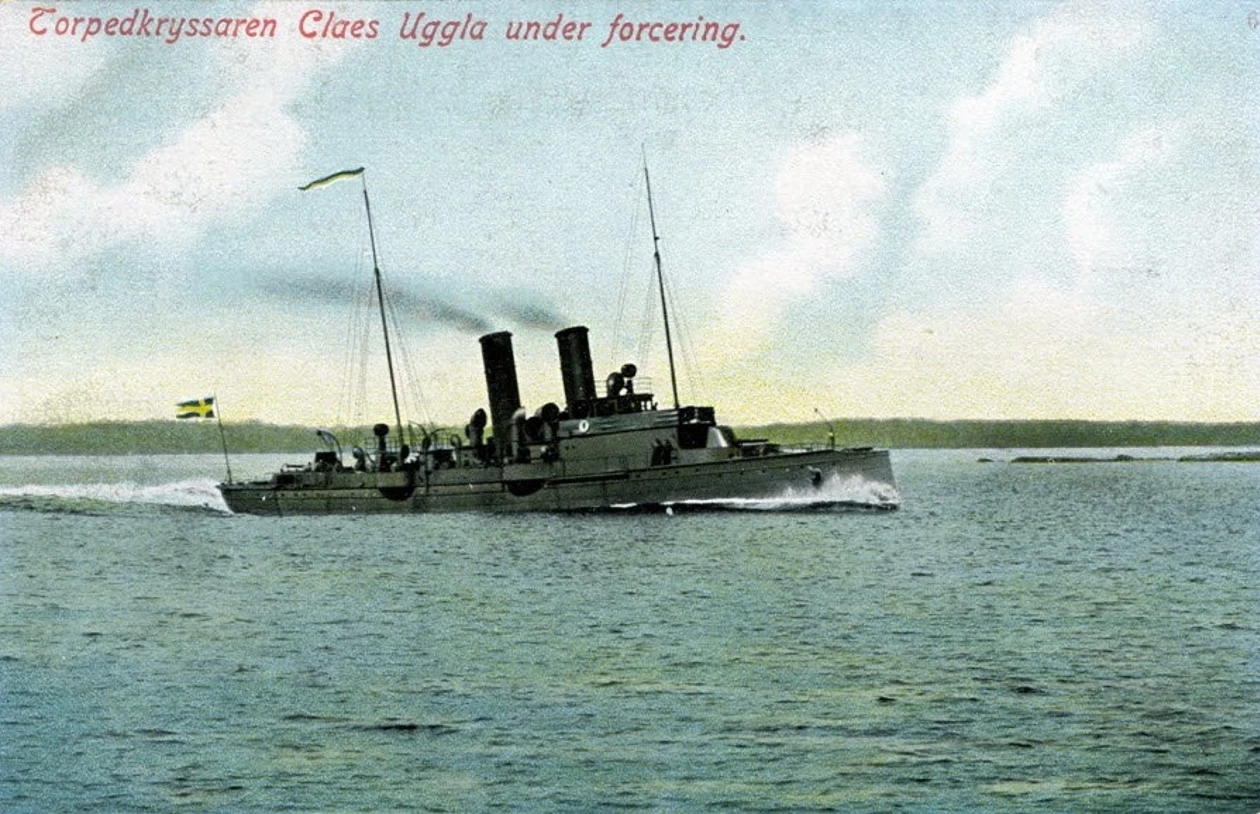
The torpedo cruiser Claes Uggla and the steam launches Verdandi and Kungsgården are the vessels that will be surveyed. The aim is to document the wrecks and produce care and protection plans. These plans are intended to contribute to the long-term preservation of an important maritime cultural heritage.
– These wrecks have very high cultural and historical value. Together they tell the story of both Swedish maritime history and the rapid industrialisation that changed Ådalen and the Norrland coast in the late 1800s and early 1900s, says Mikael Fredholm, marine archaeologist at the Vrak museum.
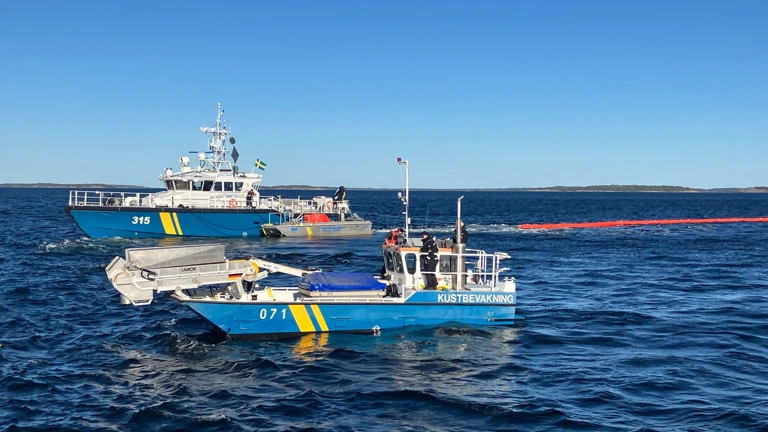
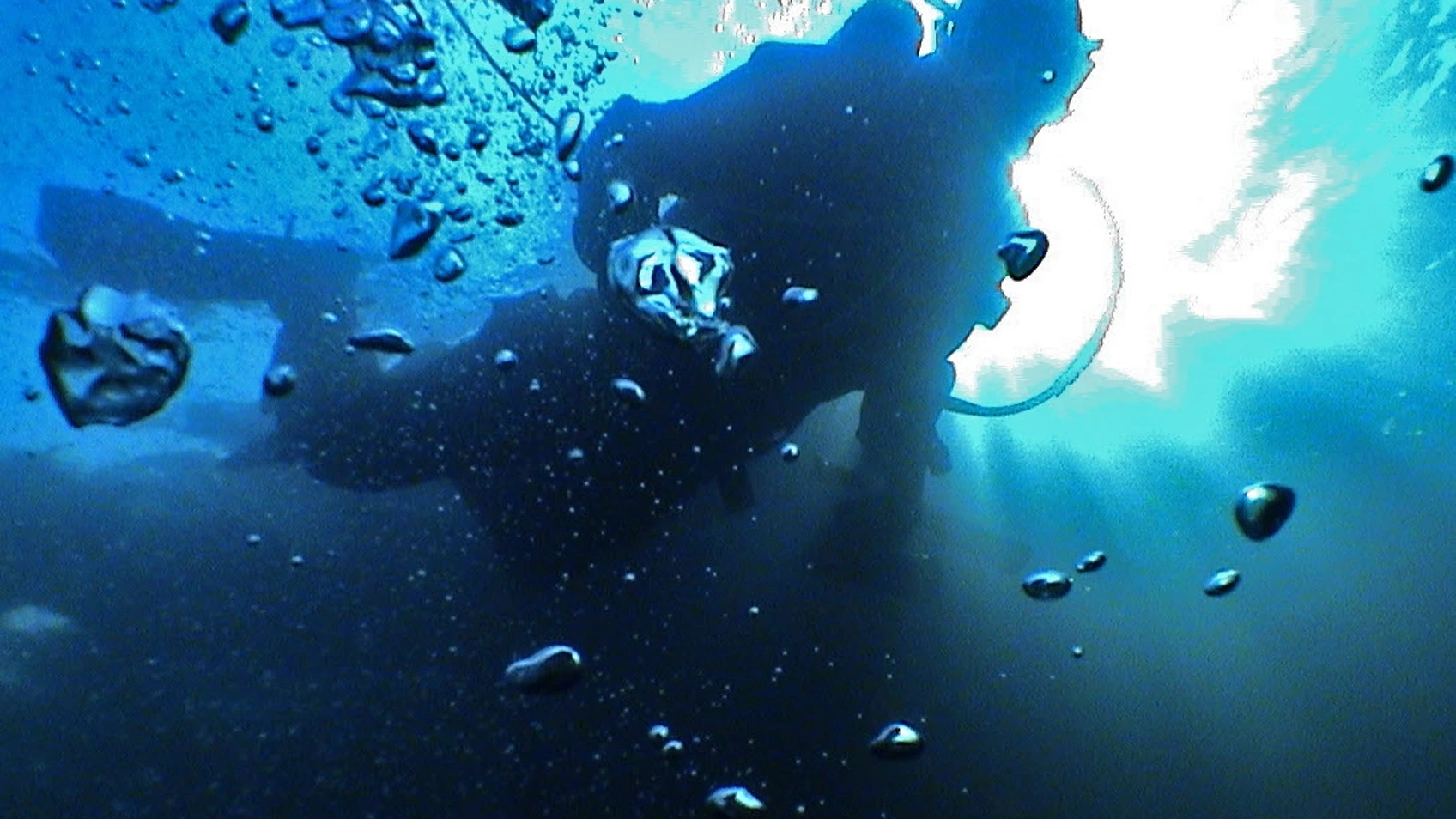
– The Coast Guard is providing a boat and a dive team, and looks forward to carrying out its part of the dives under the direction of Vrak. Working together on diving with the Vrak museum and the police is important to make effective use of the state's resources. It is also important for increasing knowledge about the protected wrecks that we monitor along the Swedish coast, says Patrik Ågren, one of the Coast Guard's rescue divers in Härnösand.
Cooperation beneath the surface
But the work is also about something bigger: developing cooperation between authorities so that they can better protect cultural heritage beneath the surface.
– No single organisation can protect the cultural heritage on the seabed alone. By working together with, among others, the Coast Guard and the police, we can share knowledge, resources and expertise. This means we can both document and monitor the wrecks in a completely different way than before, says Mikael Fredholm at the Vrak museum.
– Cooperation in recent years has meant that the Coast Guard, the Swedish Police Authority and the Swedish Armed Forces can dive in each other's dive teams and be led by each other's dive leaders. This also increases the availability of divers for rescue operations and other tasks at sea besides monitoring, says Patrik Ågren at the Coast Guard.
There are an estimated one hundred thousand wrecks and other historical remains on the bottom of the Baltic Sea. Many are threatened by looting, environmental impact and a lack of knowledge about what is actually beneath the surface. Cooperation between the marine archaeologists at Vrak and other authorities has therefore become an increasingly important part of the work to protect cultural heritage.
Each organisation contributes different resources and expertise. This may include vessels, divers, aerial surveillance, documentation or technical equipment for creating 3D models of the wrecks.
– When we work together, we are better prepared and have a greater chance of detecting damage or suspected cultural heritage crimes in time. At the same time, knowledge of cultural heritage also increases among other authorities, says Mikael Fredholm.
During the surveys, the marine archaeologists will carry out systematic documentation of the wrecks using photographs, find plans and 3D models. The material will become part of the care and protection plans that are produced to follow the condition of the wrecks over time and strengthen the protection of the cultural environments.