
“We are an important sensor at sea”
The Coast Guard's maritime situational pictures are the hub of continuous work to detect threats, cooperate with other authorities and act proactively. But how does the agency tie together information from many sources into an accurate picture of reality?
Published: 3 Jun 2026 at 8:50 AM
The term “maritime situational picture” can sometimes bring to mind a map on a screen. But the work needed to create an accurate maritime situational picture is much more extensive. It is an interplay between technology, analysis, reconnaissance and human experience. Above all, it is a collaboration between different authorities and organisations.
The situational picture at sea is more important than ever
The Coast Guard is the civilian actor at sea responsible for maritime surveillance and maritime information for other authorities. In a worsened security situation in particular, the Coast Guard is expected to be able to detect and act on anomalies at sea. Examples are anomalies caused by increased military presence, hybrid influence or activity that threatens security.
– This places high demands on the Coast Guard. We are an important sensor, with units at sea, in the air and on land. We need to be able to manage that sensor and work with others around it. We share information and help each other to deal with the challenges Sweden faces, says Linda Rittberg, operations controller at the Coast Guard.
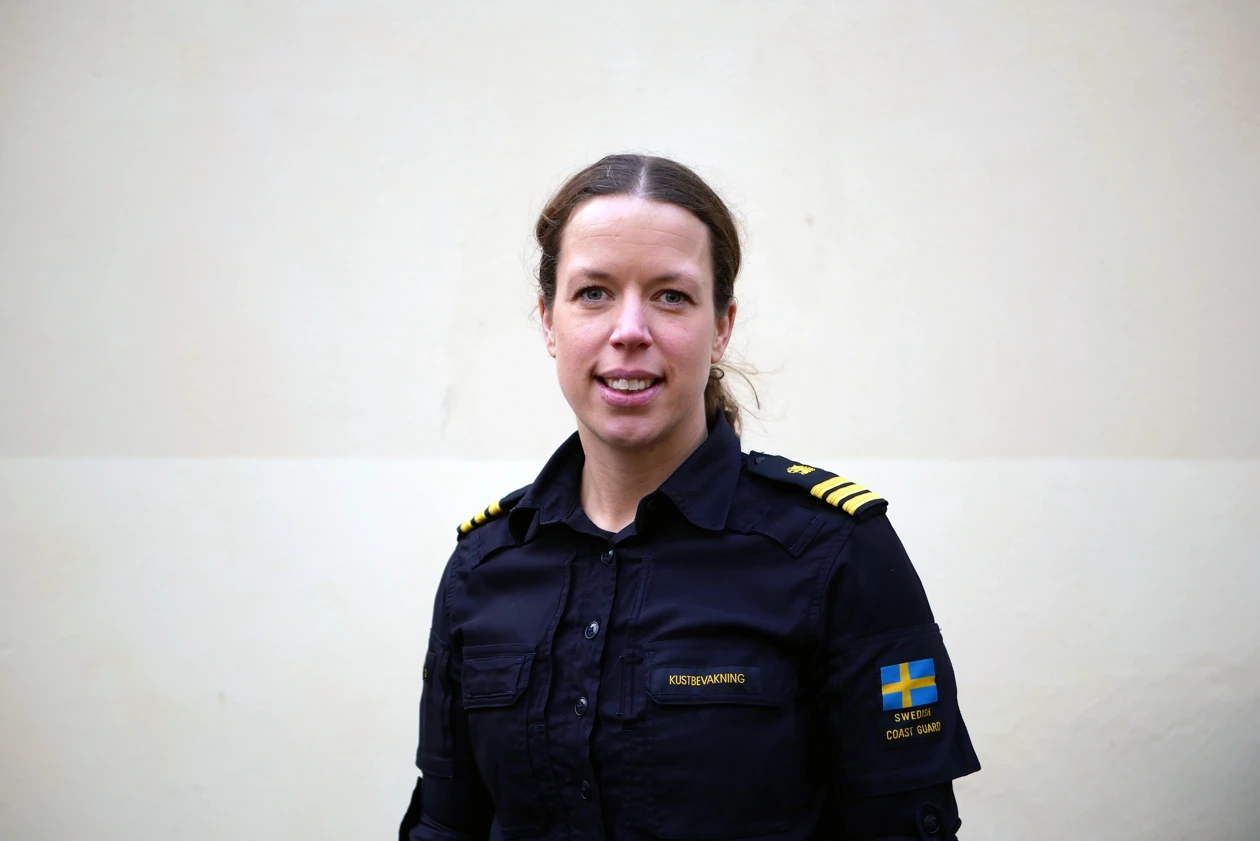
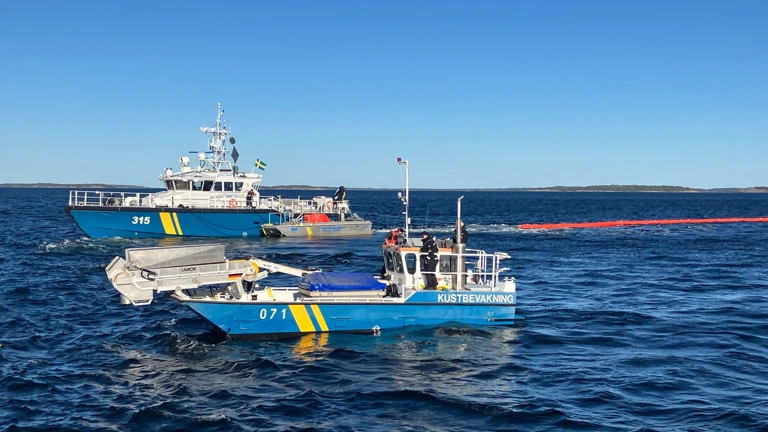
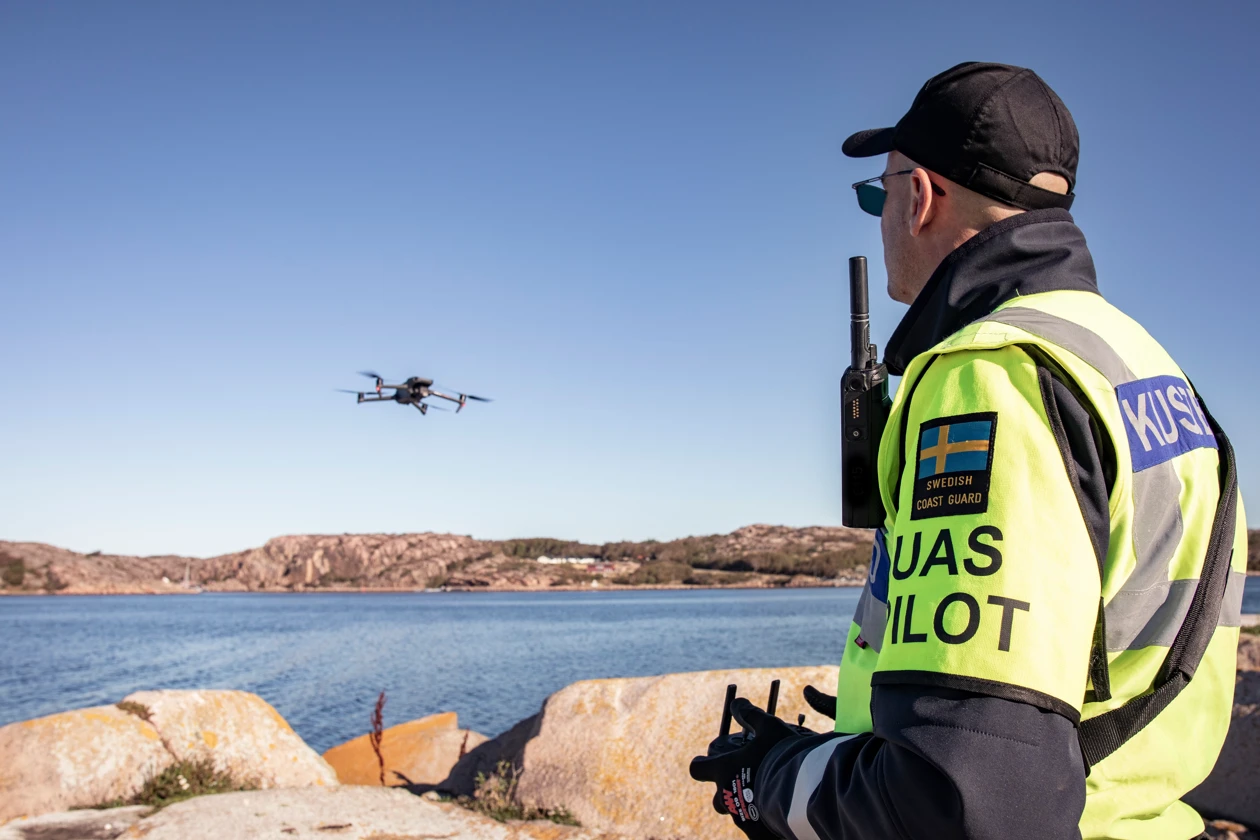
When Linda Rittberg says that the Coast Guard is an important sensor, she means everything the Coast Guard has available to observe, report and react at sea. This can be technical equipment, vessels, aircraft and, above all, people. Together they form a combined set of sensors that makes it possible to see the whole picture.
– We depend on sensors. They can be our units and staff. We also have underwater capability, such as diving and underwater vehicles, so that we can look below the surface too, and other technology such as drones and systems like Sjöbasis. All the parts are needed to build the maritime situational picture, says Linda Rittberg.
A maritime surveillance centre is to detect in real time
In December 2025, surveillance was also strengthened with the establishment of a maritime surveillance centre. The aim is to be able to detect anomalies in real time, for example a vessel that suddenly slows down over an underwater cable.
– A vessel slowing down over a cable, for example, can be unusual behaviour where vessels normally keep the same speed. Then we must be able to understand why they are doing it. It can be an important piece of the puzzle in our maritime situational picture, says Linda Rittberg.
The maritime situational picture - a tool for acting in time
An important principle behind the maritime situational picture is to understand what is “normal”, so that you can detect what deviates from it.
– The aim is to detect something in time, before anything serious happens. That is when the maritime situational picture becomes a real tool for proactive work, says Linda Rittberg.
Because of the new security situation, the Coast Guard now looks at trends more than before. This helps it to see what is about to happen, rather than just noting what has already happened.
Combined strength for a robust maritime situational picture
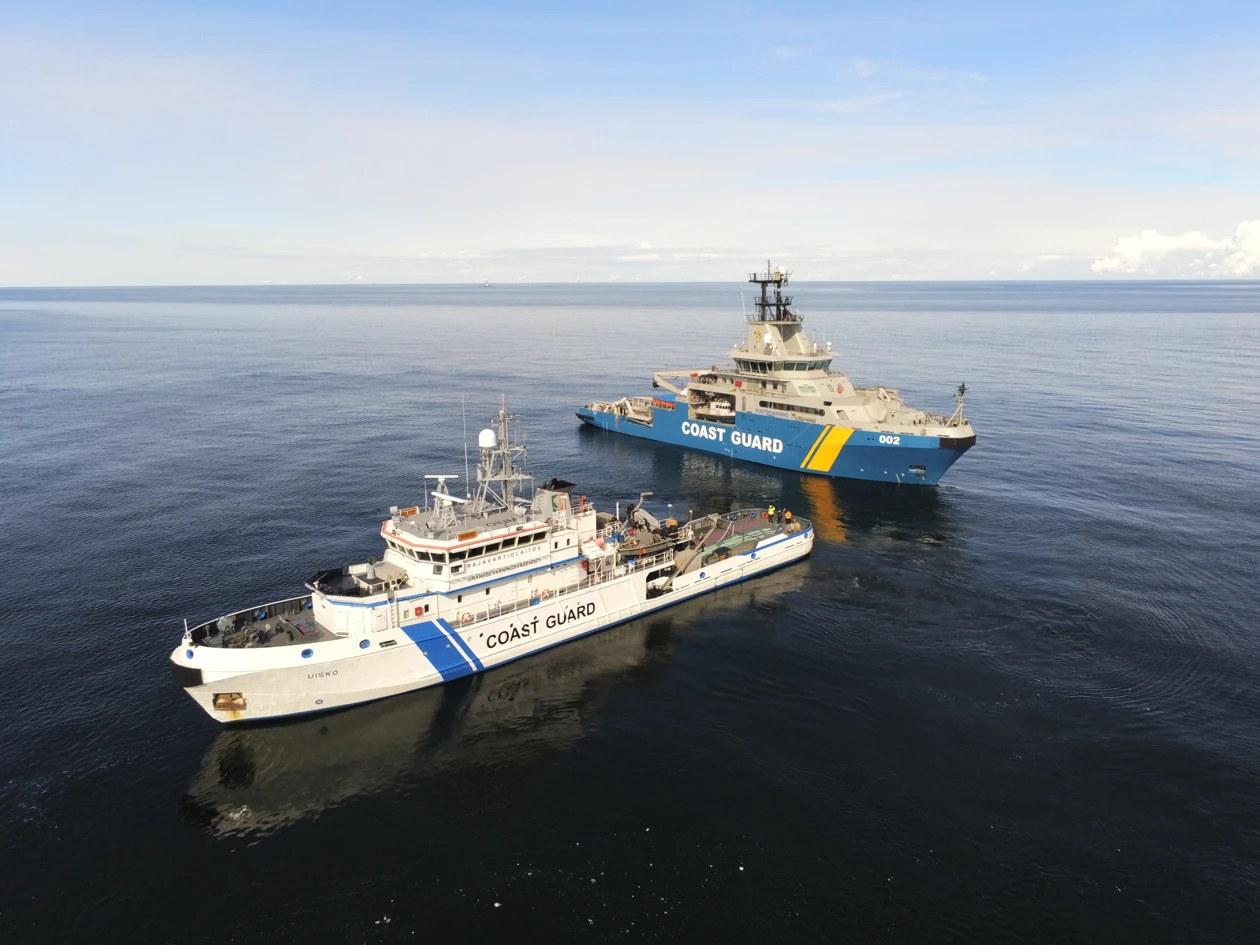
For the maritime situational picture to work as a tool, technical systems and analytical ability are not enough. Coordination is also needed. Development takes place at several levels: strategic, operational and tactical. Cooperation with other authorities is a foundation for building a robust maritime situational picture.
– It is a challenge to tie the information together. Everyone holds different parts. But the authorities are strongest together, so we must try to deal with the threats jointly. Cooperation has never been as important as it is now.
Linda Rittberg says that creating maritime situational pictures is a shared responsibility. It is important, however, to be reminded of the Coast Guard's main task: it is essential that the agency has a comprehensive view of what is happening at sea.
– We look broadly and work proactively. It is our task as operations controllers to stay one step ahead with the help of maritime situational pictures, says Linda Rittberg.