
Sabotage of the Nord Stream gas pipelines in 2022
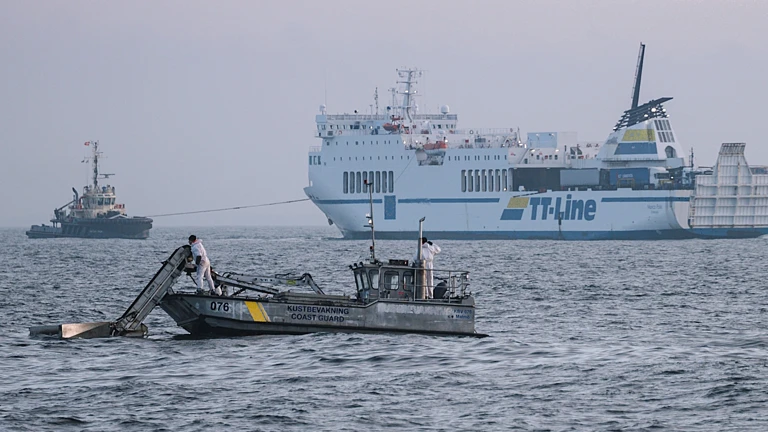
On 26 September 2022, a series of powerful explosions occurred at the Nord Stream 1 and 2 gas pipelines in the Swedish and Danish economic zones in the Baltic Sea. The Swedish Coast Guard reacted quickly, mainly within its responsibility for pollution response, but also assisted the Swedish Security Service and the Swedish Armed Forces in securing the area, examining the crime scene and collecting information and evidence.
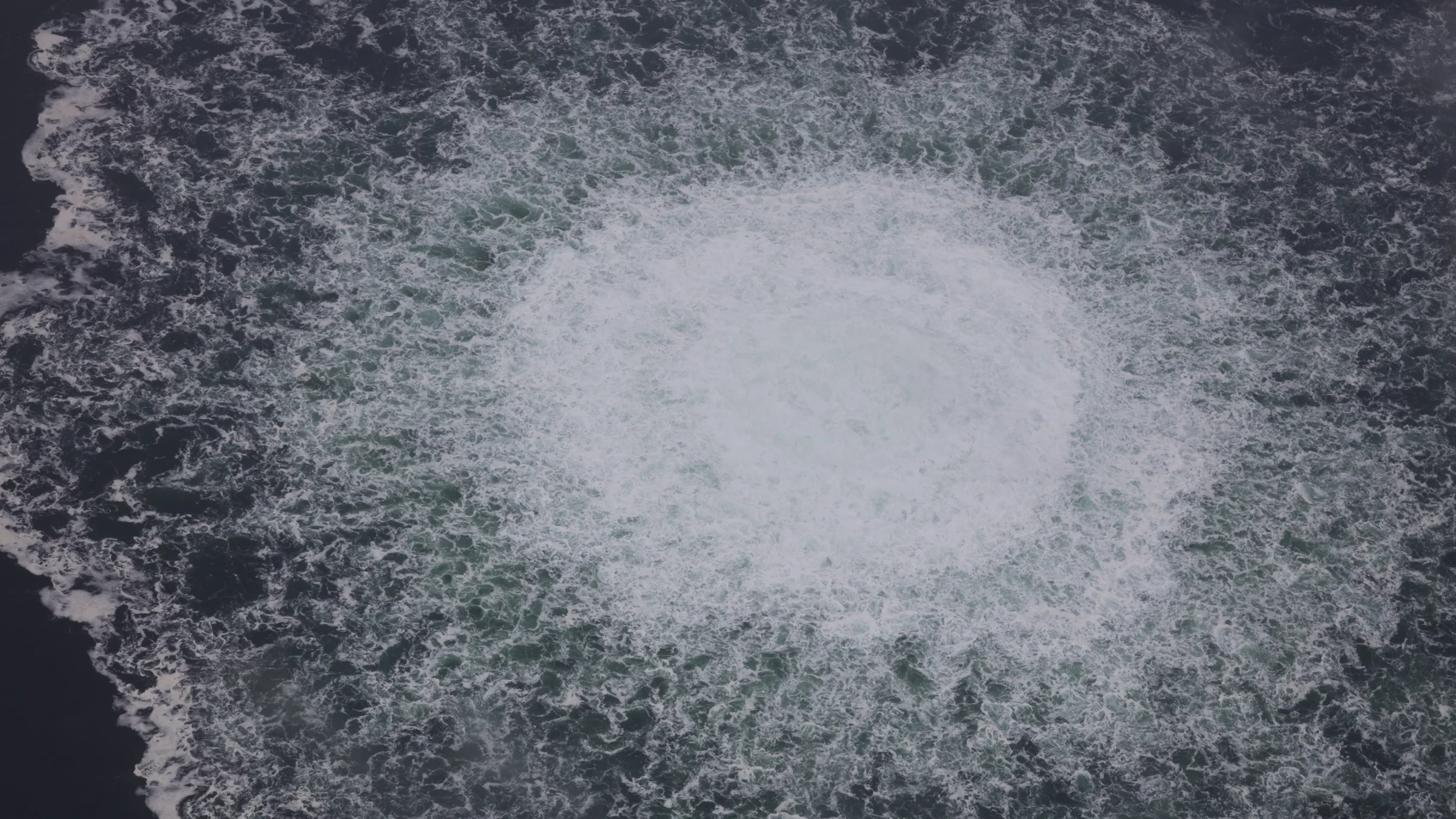
The role of the Coast Guard was to monitor the gas leaks, follow shipping traffic and be ready to carry out pollution response operations. We contacted vessels in the area and told them to keep away from the leaks, which caused strong and dangerous bubbling of the sea water.
Cooperation between agencies and the investigation
The operation required close cooperation between several agencies: the Swedish Police Authority, the Swedish Prosecution Authority, the Swedish Security Service, the Coast Guard and the Swedish Navy. The Swedish Police Authority first opened a preliminary investigation into sabotage.
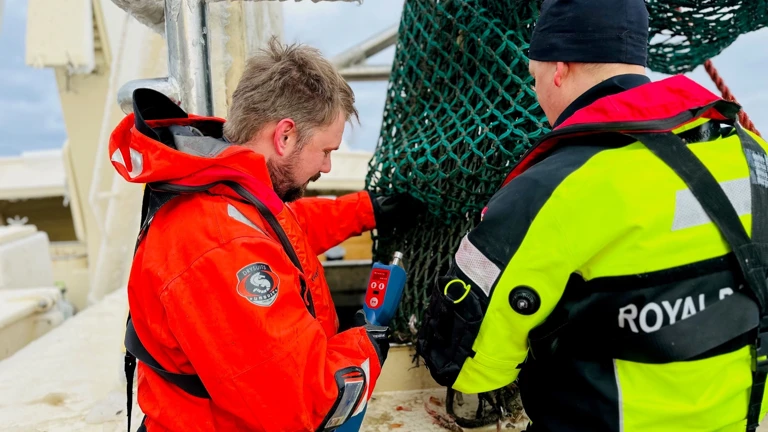
On 28 September, the Swedish Security Service took over because the case could involve a serious crime directed against Swedish interests and because a foreign power could not be ruled out. Together with the Coast Guard, the Swedish Armed Forces and the Swedish Police Authority, the Swedish Security Service carried out an extensive crime scene investigation on the seabed. The area and the damage were documented, objects were taken into seizure, and analyses later showed traces of explosives.
The Swedish Armed Forces contributed, among other things, naval expertise and resources for the investigations. At the same time, the Government brought together the agencies concerned in the security policy council and had contacts with, among others, Denmark, Germany, the EU, NATO and the USA.
To give the investigation peace to work, the Coast Guard enforced a decision to close off an area of five nautical miles, with a ban on vessel traffic, anchoring, fishing and diving.
Operational work on site
The day after the sabotage, the combination vessel KBV 003 Amfitrite was on site at the two leaks. The vessel is specially equipped to operate in gas clouds and used remotely operated vehicles (ROV) to map the damage. The gas bubbling area at first measured almost one thousand metres in diameter at the surface, but it gradually became smaller. In mid-October, the Coast Guard's aerial surveillance could confirm that the gas flow had stopped completely.
On 6 and 7 October, the closed-off areas were lifted and the government rescue operation ended, as the risk from the gas leak had decreased. KBV 002 Triton replaced KBV 003, which kept an increased presence in the area for maritime surveillance and traffic control, while the operational assistance to the Swedish Security Service continued during the follow-up work.
The investigation continued until 2024
In 2023, the Swedish Security Service's investigation continued, but it remained unclear who was behind the sabotage. In February 2024, the Swedish prosecutor closed the preliminary investigation. The reasons given were that Swedish jurisdiction was no longer considered to apply and that nothing had emerged to indicate that Sweden or Swedish citizens had been involved. At the same time, material could be passed on, above all to the German investigation.
Sweden could establish that it was a case of aggravated sabotage and secure important evidence, but the Swedish investigation never publicly identified any perpetrator.