By clicking "Accept" you agree to the use of cookies. For more options, select "Cookie Settings". More information can be found on the page
"Cookies on kustbevakningen.se".
Extensive port controls against cross-border crime
In recent weeks, the Swedish Coast Guard has taken part in several joint port controls by multiple agencies along the whole Swedish coast.
Published: 9 Nov 2026 at 9:53 AM
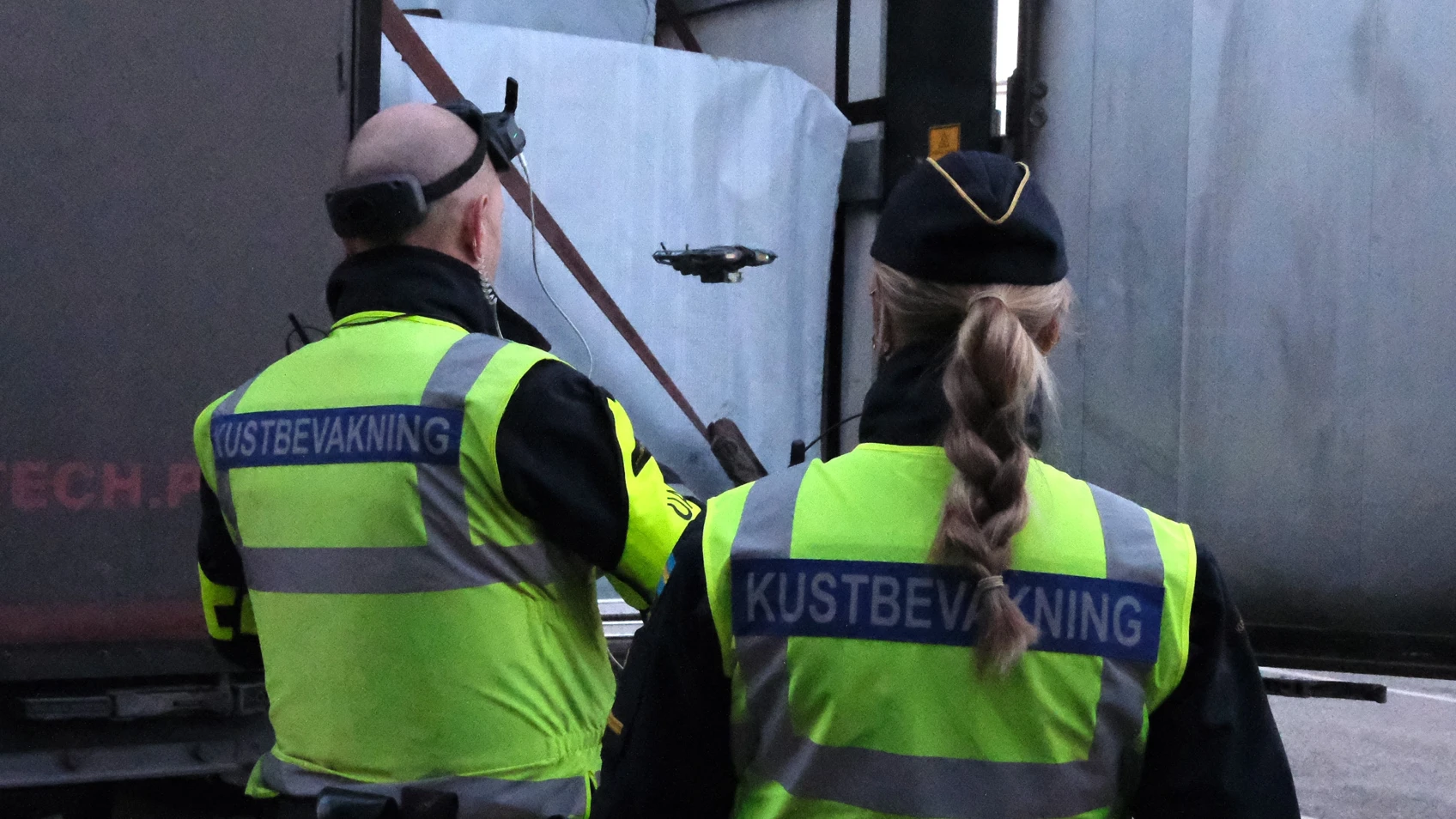
With small drones, the Swedish Coast Guard can carry out load securing controls on lorries. At the same time, in cooperation with the county administrative board, it can check whether the load contains, for example, waste that is banned from export./Photo: Karin Cars
The Swedish Coast Guard has recently taken part in port controls in both the European operation EMPACT Trident and a regional operation in Blekinge.
The aim of the operation in Blekinge was to develop cooperation between agencies, limit cross-border crime, check for illegal waste handling and secure financial assets gained through crime.
– All the participating organisations see the benefit of cooperation. Joint operations open doors to other organisations and ways of contacting them regarding other issues as well, says Christian Bjerström, deputy coast guard station manager in Karlskrona, who led the operation.
The Swedish Coast Guard carried out 11 controls of dangerous goods, which led to 2 bans on continuing the journey and 2 on-the-spot fines, and 141 load securing checks, of which 19 led to a ban on continuing the journey.
The joint port controls were stepped up last week through EMPACT Trident, a European operation in eleven countries, mainly around the Baltic Sea, led by the Swedish Police Authority. The Swedish Coast Guard took part in port controls along the whole Swedish coast, in close cooperation with, among others, the Swedish Police Authority, the Swedish Customs and county administrative boards.
– Many criminals move across borders. The key to success is that several countries work together. Transports are fast, so we need to share information quickly between countries. We have seen less stolen property than in earlier operations, but more drugs and weapons, says Mikael Eliasson of the Swedish Police Authority, operation leader for the European operation.
Daniel Franke, operations manager at the Coast Guard, is also pleased with the extensive operation.
We've had very good cooperation between the agencies in all regions and we have been able to use the combined authorities of all the agencies during the operations.
- Daniel Franke, operations manager, the Swedish Coast Guard
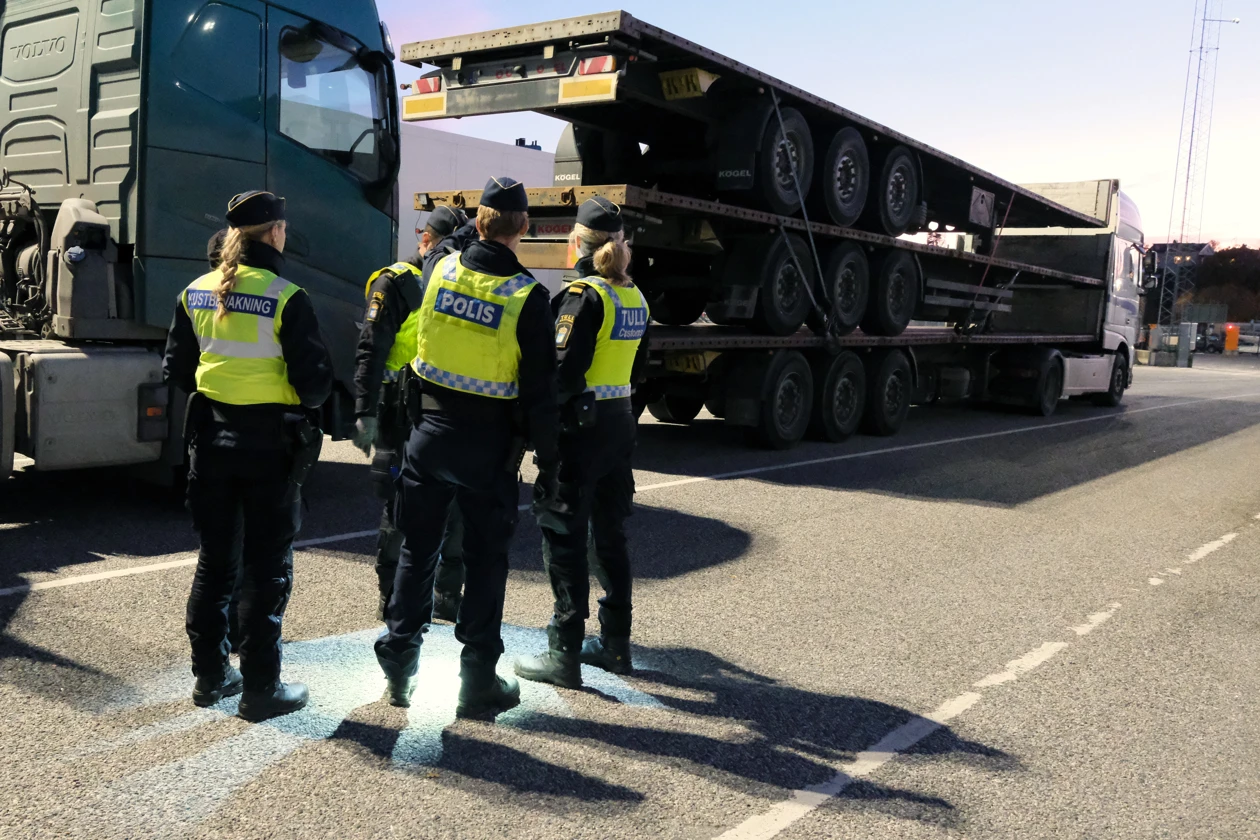
The Swedish Coast Guard worked in cooperation with the Swedish Police Authority, Swedish Customs and others at the harbour controls./Photo: Karin Cars
EMPACT – European cooperation against organised crime
EMPACT is a platform for cooperation against the most important threats from organised and serious international crime that affect the EU. National authorities, EU institutions and bodies, and international partners take part in the cooperation. EMPACT strengthens the intelligence picture and strategic and operational cooperation. EMPACT runs in four-year cycles that focus on the EU's common crime priorities. The current cycle runs from 2026 to 2029 and has 13 crime priorities. The Trident operation is linked to the crime priority "The most threatening criminal networks and individuals".
Swedish cooperation between agencies against organised crime
A total of 14 government agencies, including the Coast Guard, are working together in a joint effort against organised crime. The work is carried out both in operations, through prosecution and administrative measures, and in crime prevention efforts to reduce society's vulnerabilities.
From 2025, the work in the joint effort by the agencies focuses largely on three priority problem areas. These are judged to be of great importance for organised crime, and cooperation between agencies can make a big difference in them. Crime in port environments is one of these three areas. Sweden's ports are central to, for example, criminals' import of drugs, export of stolen property and illegal waste transport. The ports are also an important part of Swedish total defence. The operations are led by the Swedish Police Authority and Swedish Customs.
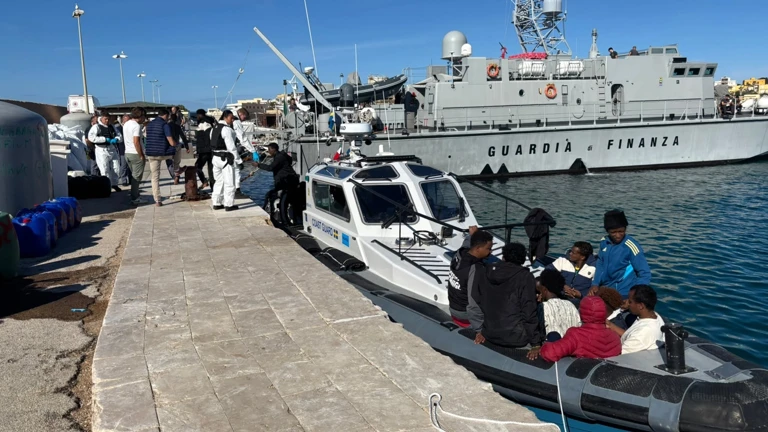
For the fourth winter season in a row, staff from the Swedish Coast Guard and the Swedish Police Authority are stationed on the Italian island of Lampedusa in the Mediterranean, on assignment for Frontex. Thousands of migrants arrive there every year because of the vicinity to the North African coast.
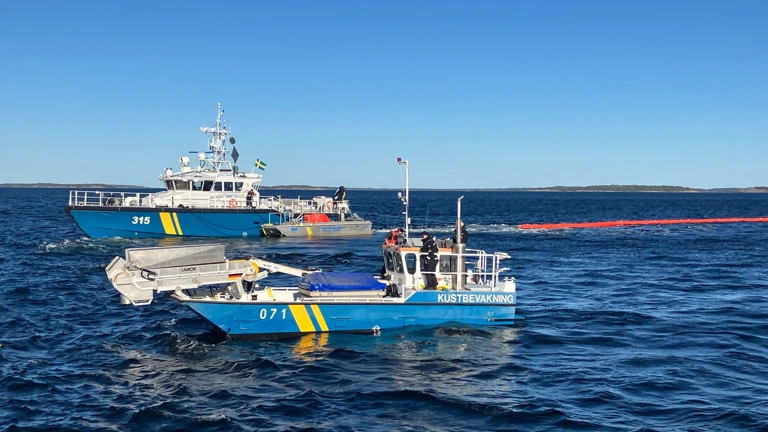
Last week, the Swedish Coast Guard held a pollution response exercise in the Stockholm archipelago. Personnel from the Djurö and Oxelösund coast guard stations practised responding to a simulated oil spill using the Coast Guard's pollution response equipment.
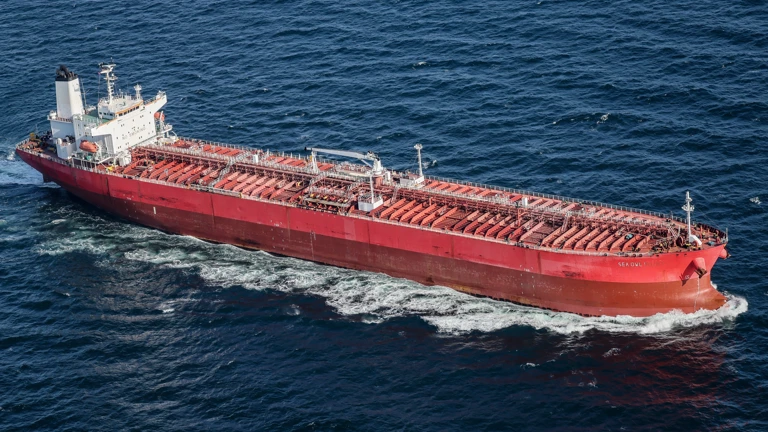
The vessel Sea Owl 1 has been at anchor off Trelleborg since March. It may now leave its position and continue its voyage. This follows a decision today by the Swedish Transport Agency to lift the ban on use. Sea Owl 1 is now flagged in Equatorial Guinea.