Skip to content
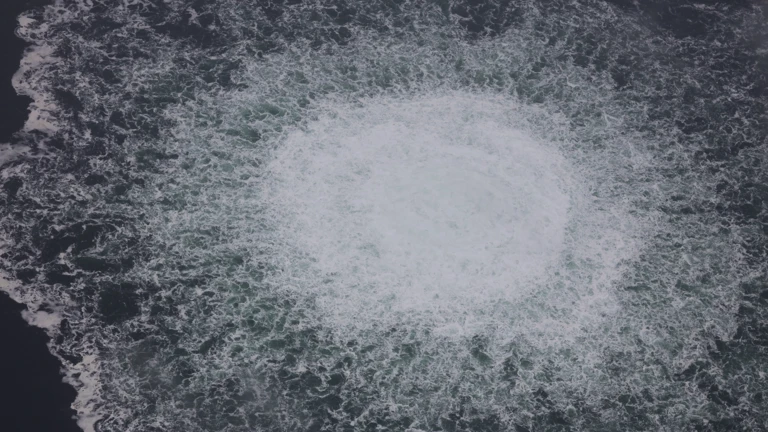
Circular area of white foam on the sea caused by a leaking gas pipeline.

Sabotage of the Nord Stream gas pipelines in 2022

On 26 September 2022, a series of powerful explosions occurred at the Nord Stream 1 and 2 gas pipelines in the Swedish and Danish economic zones in the Baltic Sea. The Swedish Coast Guard reacted quickly, mainly within its responsibility for pollution response, but also assisted the Swedish Security Service and the Swedish Armed Forces in securing the area, examining the crime scene and collecting information and evidence.

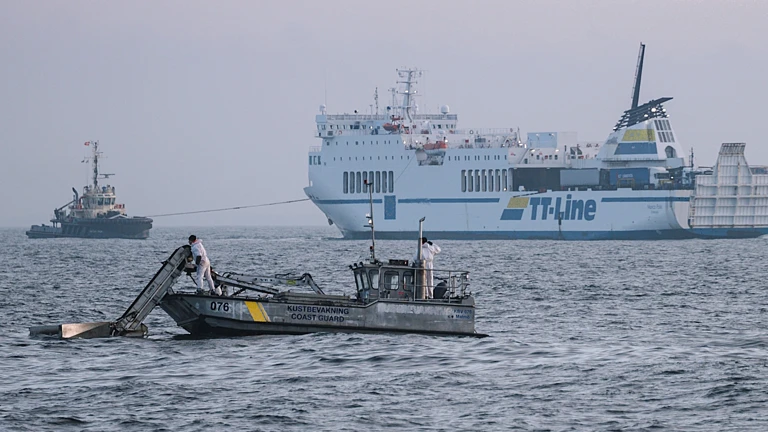
A passenger ferry is towed by the Swedish Coast Guard. In the foreground is one of the Coast Guard's shoreline response vessels, picking up oil from the sea.

The oil spill from the passenger ferry Marco Polo in 2023

On Sunday 22 October 2023, TT-Line's passenger ferry Marco Polo ran aground south of Karlshamn, in Pukaviksbukten, Blekinge. The accident caused a large heavy oil spill and led to a major government rescue operation. Together with several other parties, the Swedish Coast Guard worked for 19 days to clean up oil.

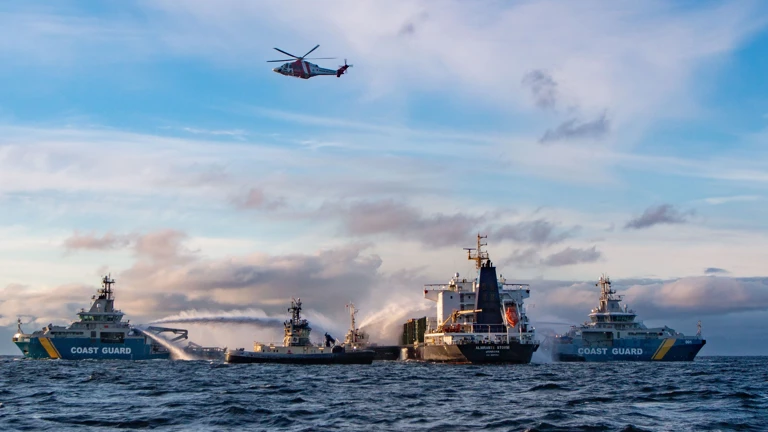
Several vessels in the picture, including a search and rescue helicopter.

The fire on the cargo ship Almirante Storni in 2021

On Saturday afternoon, at around two o'clock on 4 December 2021, a fire broke out in the timber cargo on board the bulk carrier Almirante Storni off Gothenburg. The firefighting at sea went on for over a week before the vessel could be brought into port. The operation required resources from the Coast Guard, the Swedish Sea Rescue Society, the rescue services and many others.

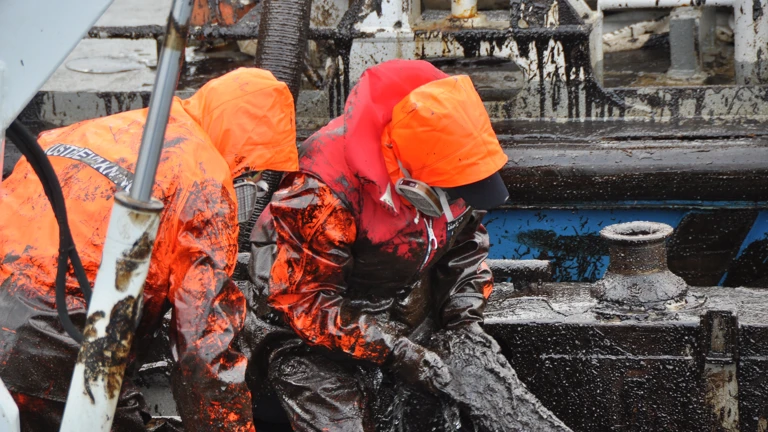
Two people in orange jackets working on a boat.

Oil spill Tjörn 2011

In September 2011, the municipality of Tjörn was hit by a major oil spill after an accident in the North Sea. The Coast Guard successfully recovered 644 cubic metres of oily waste during an intensive pollution response operation.

A group of people about to get on a boat.

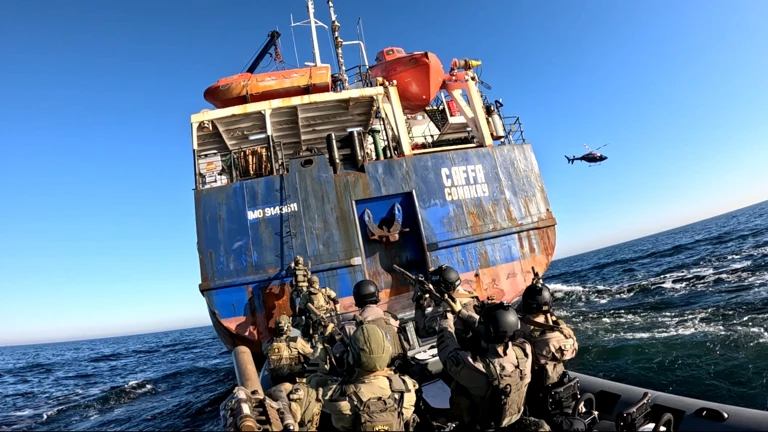
Boarding of unseaworthy vessels

After changes in the law on 1 March 2026, the Swedish Coast Guard gained greater opportunities to carry out effective intelligence work, which gave a better basis for decisions before taking action. We were then able to take action against – board – several vessels with unclear flag status and suspected of being unseaworthy, an offence under the Swedish Maritime Code.