
New national support to strengthen Sweden's ability to act together during major oil spills
The risks at sea have changed. Today, society needs to be prepared for scenarios that seemed unlikely just a few years ago.
Published: 18 Nov 2026 at 4:20 PM
A new Swedish national support will help different actors in understanding each other's perspectives. The system is aimed to create better conditions for a shared overview, communications of decisions and the ability to act throughout the whole response chain, from sea to shore.
Actors get a common basis for planning and exercises
In a major oil spill, municipalities, county administrative boards, rescue services, government agencies and other actors concerned need to act at the same time, each according to their own responsibilities. The new support is a common starting point for planning, training, exercises and cooperation.
The support is based on the principle "one event – one response." The aim has been to make complex issues easy to understand and to clearify responsibilities, dependencies and priorities. The goal is to give actors better conditions to find their way in rare events, make informed decisions and act decisively together.
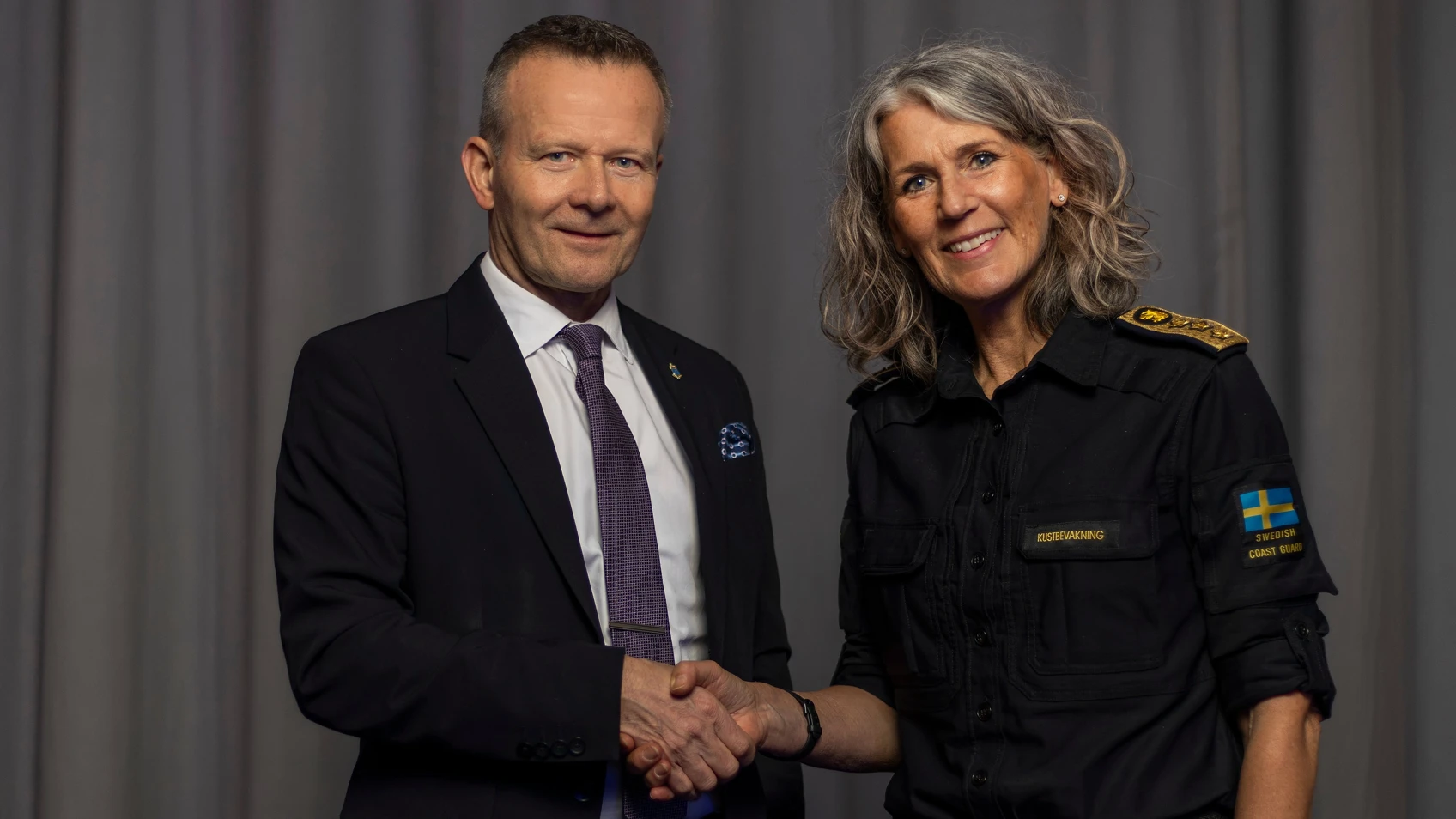
– The global situation places new demands on our preparedness. We need to be ready for more complex events that cover the areas of responsibility of several actors. The national support gives us a common starting point, but the real effect is only achieved when it is used and exercised together. That is how we build the needed understanding, overview and ability to act when society faces serious challenges, says Mikael Frisell, Director General of the Swedish Civil Defence and Resilience Agency (Myndigheten för civilt försvar).
A shared situational picture is crucial in major spills
The maritime situation today is more complex than before. Changes in sea traffic along our coasts bring a high risk of accidents. These can result in spills that have a major impact on marine life, on Sweden's coasts and on shipping.
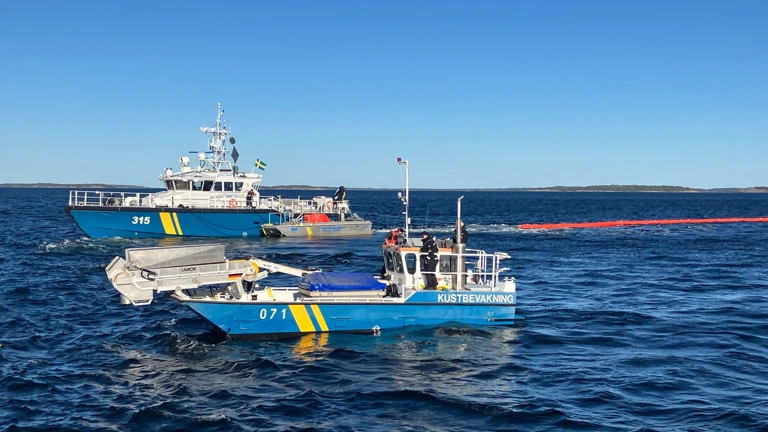
The Swedish Coast Guard must be on the scene early in case of a spill in order to prevent, limit or combat the spill immediately, and collect and share information.
– Oil spill knows no borders. Obviously, different parts of the system depend on each other, and that cooperation needs to focus on meeting across borders. Our shared ability to understand and share a precise description of the situation is often decisive in creating the necessary ability to act, both individually and together. By joint planning and exercises, we improve the conditions to handle incidents. At the same time, we can use society's combined resources efficiently, says Lena Lindgren Schelin, Director General of the Swedish Coast Guard.